What Should You Know About Grease Trap Installation in Austin?
Commercial kitchens generate wastewater containing fats, oils, grease, and food particles throughout their daily operations. Without an effective grease management system, these materials can enter drainage lines and contribute to plumbing concerns over time. A grease trap provides a way to separate much of this material from wastewater before it continues through the drainage system. Grease Trap Installation Services in Austin, TX can help businesses establish a suitable system based on their kitchen activities and plumbing requirements. Understanding the factors involved in installation can help restaurant and food-service operators plan their wastewater management more effectively.
Why Does a Commercial Kitchen Need a Grease Trap?
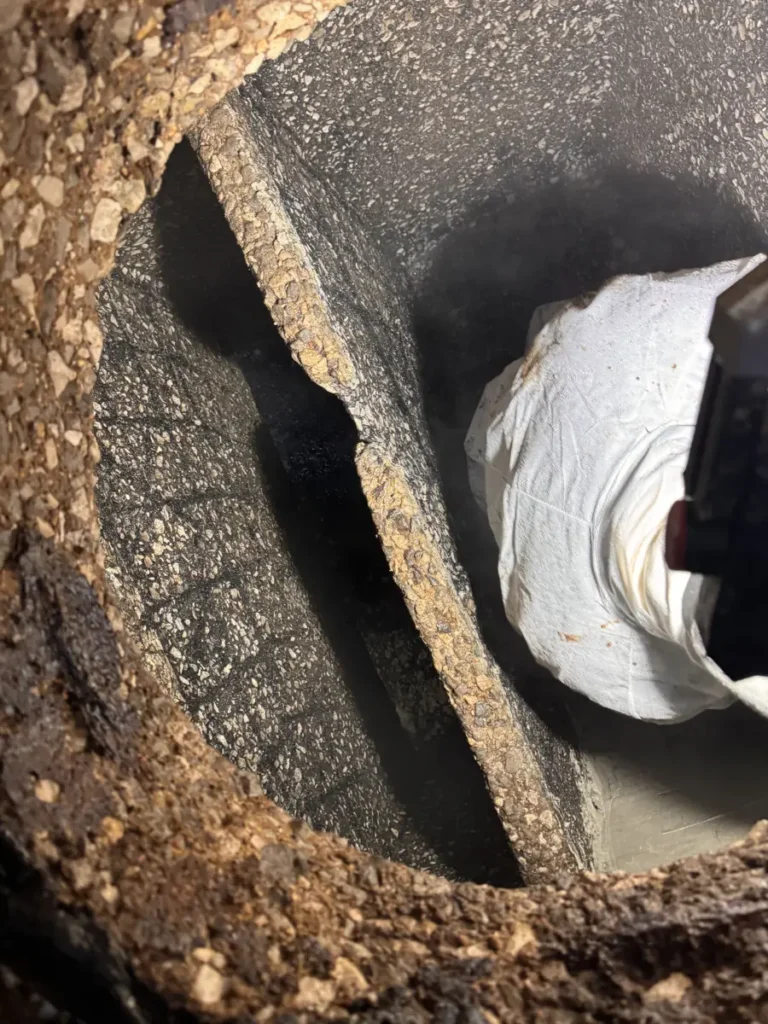
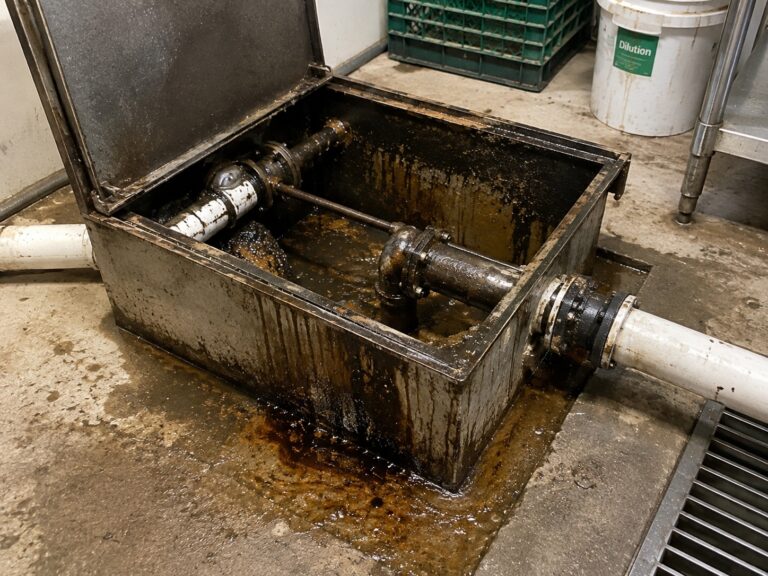
Cooking and cleaning activities can produce considerable amounts of grease and oily wastewater. When these materials are allowed to move directly into drainage pipes, they may accumulate along pipe surfaces and affect normal water flow. A grease trap is designed to capture grease and other heavier materials before wastewater leaves the system. Its effectiveness depends partly on selecting an appropriate unit for the kitchen’s needs. Restaurants with different cooking volumes may require different capacities, making it important to consider daily operations when planning a grease management system.
What Factors Affect the Installation Location?
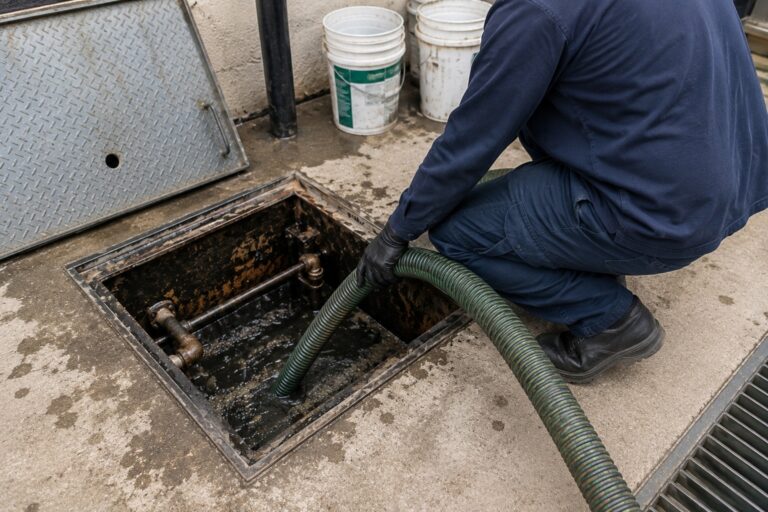
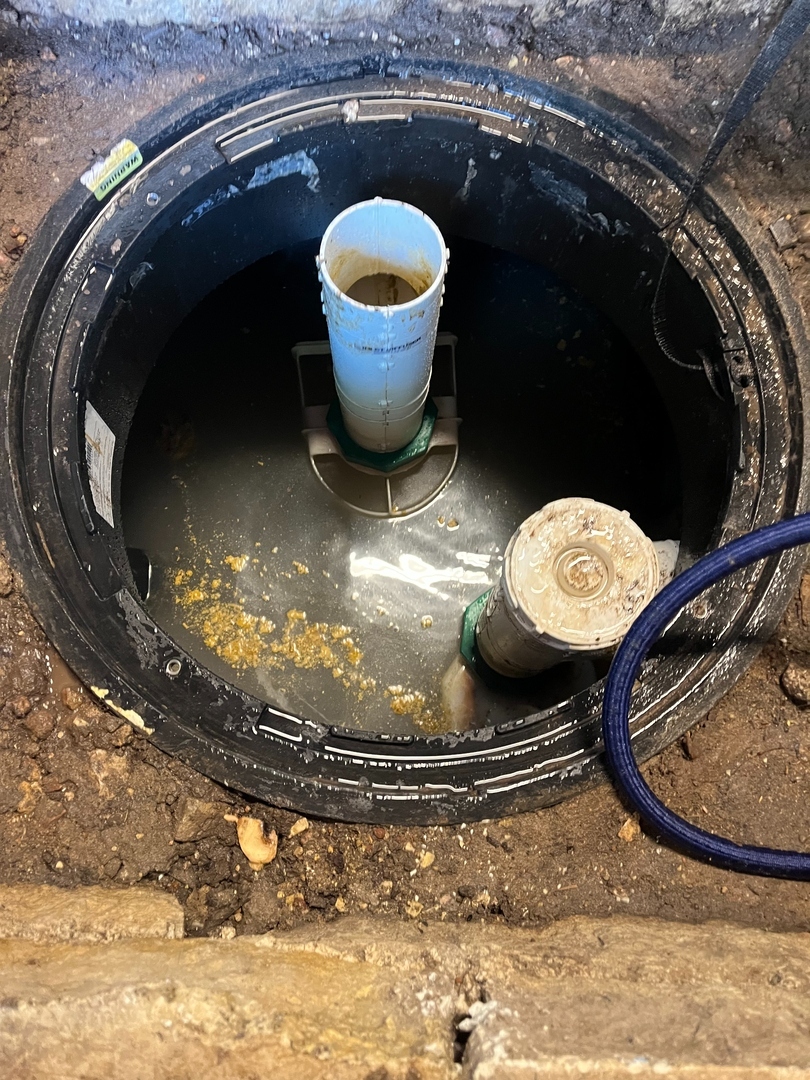
The location of a grease trap can influence both its operation and future maintenance. Businesses need to consider the existing plumbing layout, available installation space, wastewater pathways, and accessibility. The unit should be positioned so that wastewater can enter and leave efficiently while allowing technicians to access it for cleaning and inspection. Kitchen renovations may also require adjustments to existing plumbing connections before a new trap can be installed. Reviewing these conditions beforehand can help create a more practical setup and reduce unnecessary complications during the installation process.
How Is the Right Grease Trap Selected?
The appropriate grease trap is not necessarily the same for every food-service business. Kitchen size, the number of fixtures, wastewater volume, operating hours, and the amount of grease produced can all influence the selection. A busy restaurant may generate considerably more grease than a smaller facility, which can affect the required trap capacity. Grease Trap Installation Services in Austin, TX can help businesses evaluate these operational factors when planning a new installation. Grease Trap Repair Austin can also address existing system concerns when a replacement or upgraded setup is being considered.
When Is Installation Better Than Continuing With an Old System?
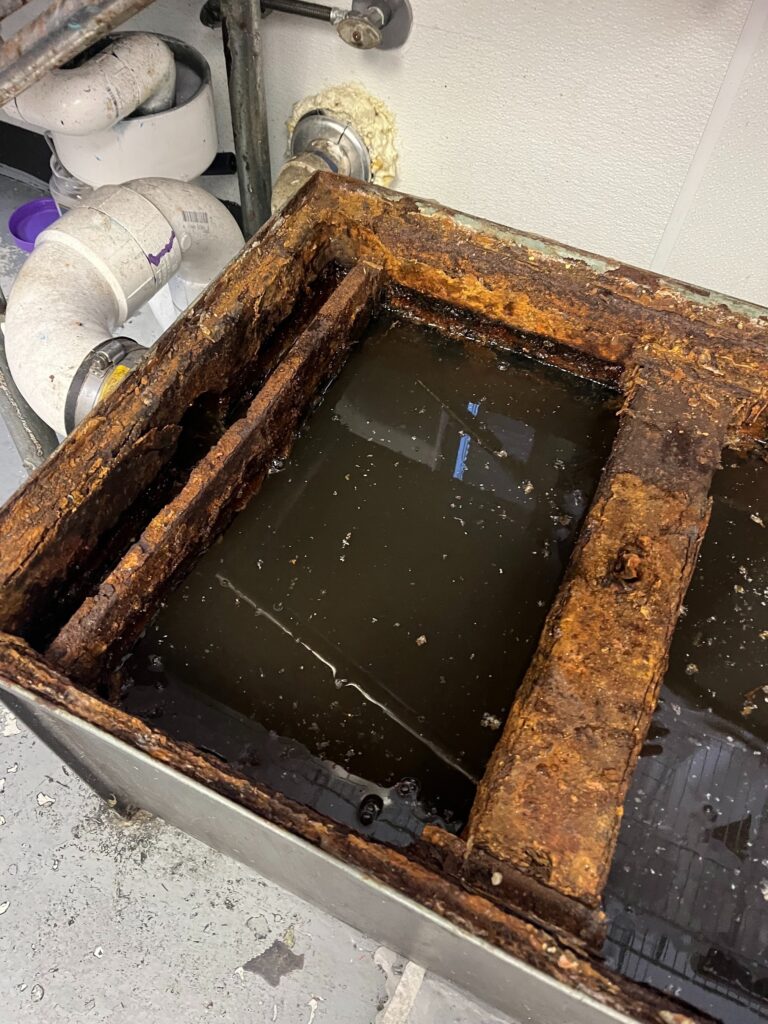
An older grease trap may become less suitable when a business changes its kitchen operations or experiences recurring system problems. Expansion, remodeling, increased food production, or changes to plumbing can create new requirements that an existing unit may not meet effectively. Frequent drainage issues, persistent odors, visible damage, or difficult access for maintenance can also justify reviewing the current system. Instead of focusing only on the age of a grease trap, businesses should consider its overall condition and whether it continues to match their present operational needs.
What Happens After a New Grease Trap Is Installed?
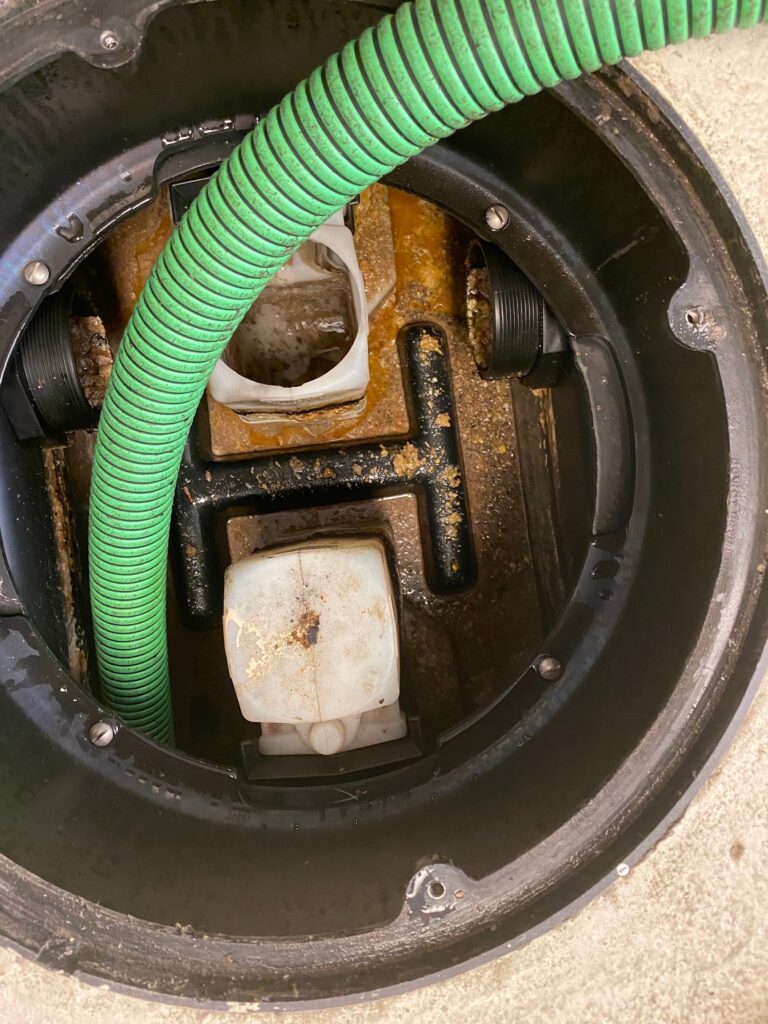
A newly installed grease trap still requires ongoing care to maintain effective performance. Grease, oils, and solid waste gradually collect inside the unit, so regular cleaning and inspections remain important. Businesses should watch for changes such as slow drainage, unusual odors, leaks, or increasing grease accumulation. Maintaining an accessible installation location can make future servicing easier and help identify problems earlier. By combining a suitable installation with consistent maintenance, Austin commercial kitchens can create a more dependable approach to grease management and support smoother wastewater handling during everyday operations.