Understanding Grease Trap Deep Cleaning in Austin
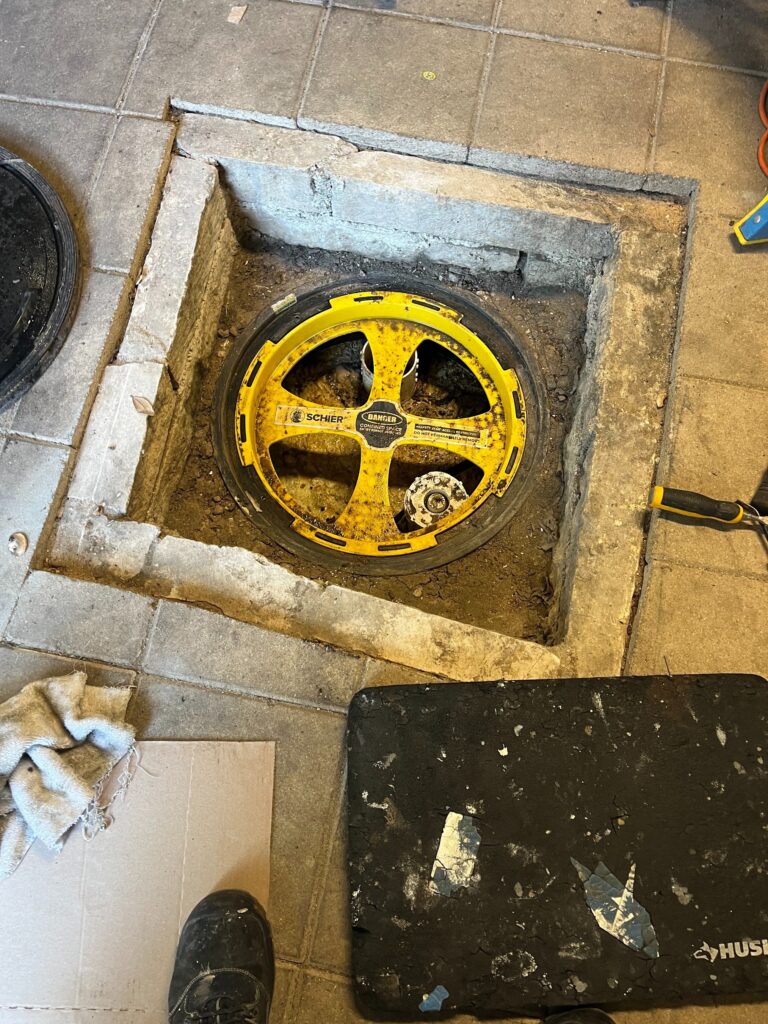
Grease traps are an important component of wastewater systems in restaurants, cafés, catering facilities, and other commercial kitchens. Every day, cooking activities introduce oils, fats, food particles, and other residues into kitchen drains. The grease trap is designed to separate much of this material before wastewater continues through the plumbing network. Over time, however, the collected residue can become dense and occupy a significant portion of the trap. Grease Trap Deep Cleaning in Austin, TX can help remove stubborn deposits and maintain the available space needed for effective grease separation. Regular attention to the condition of the trap can help businesses manage kitchen waste more effectively.
How Grease Trap Deposits Develop?
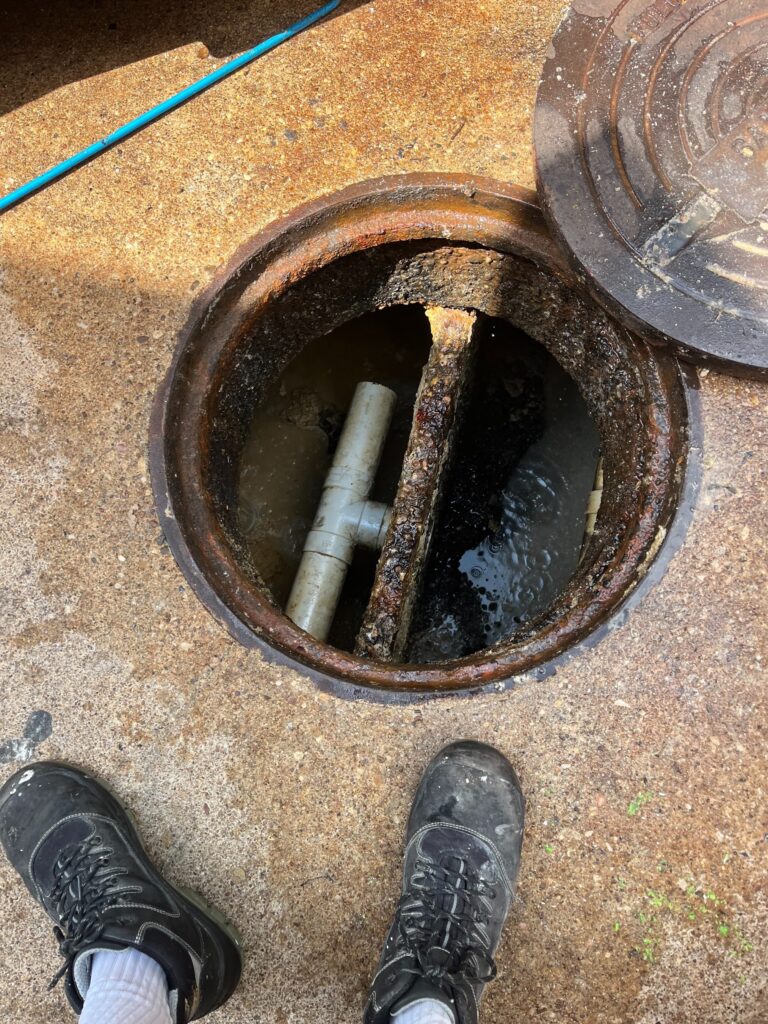
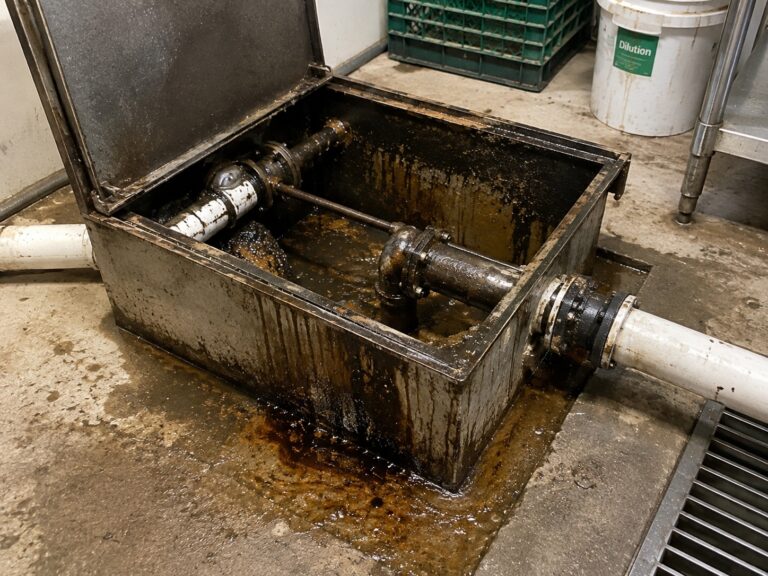
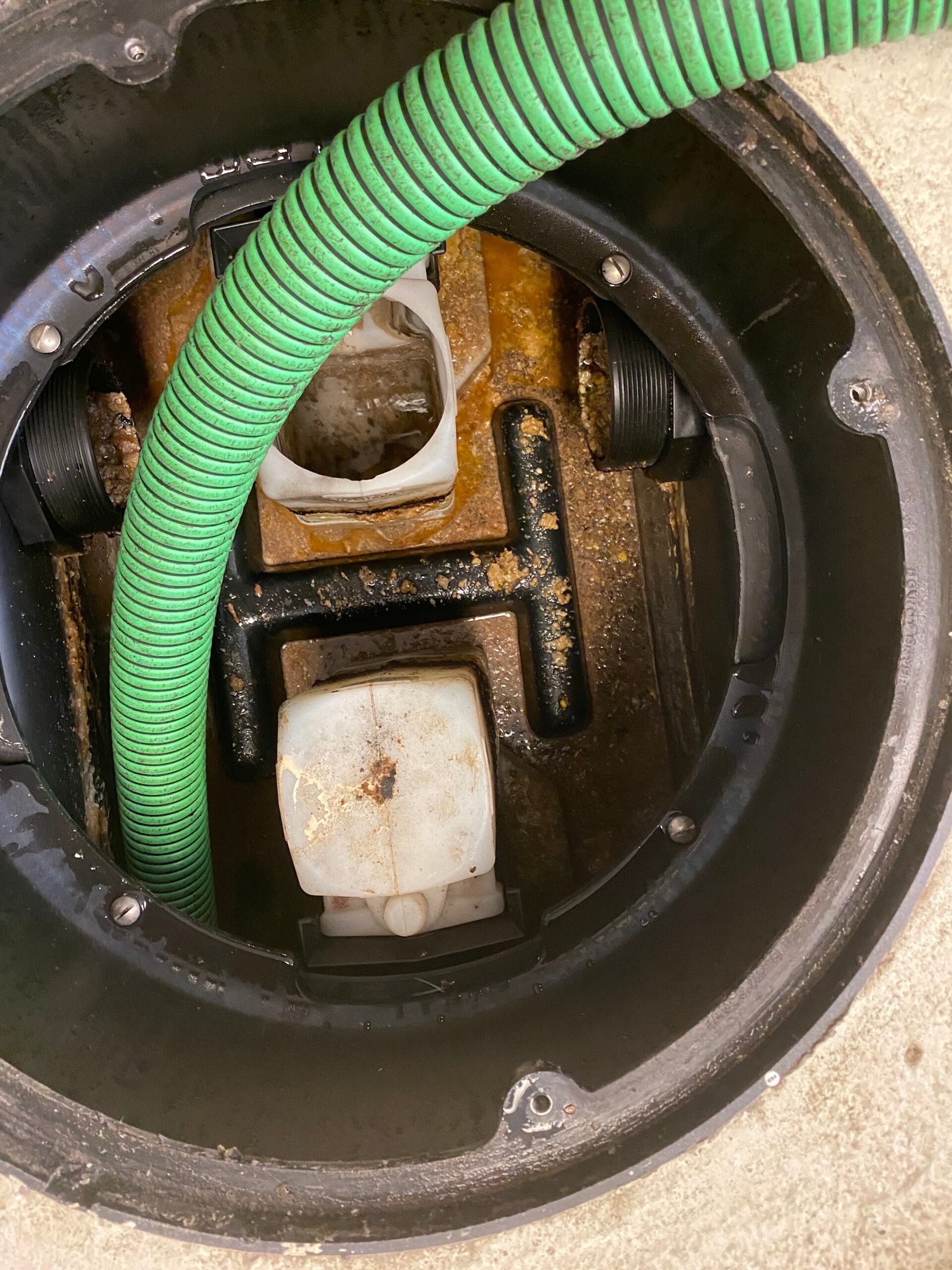
The material collected inside a grease trap does not remain unchanged. Cooking oils can cool and solidify, while food particles may combine with grease and settle in different sections of the unit. Each day of kitchen activity can add another layer to the existing deposits. The speed at which this happens depends on the type of food prepared and the amount of wastewater produced. A restaurant with extensive cooking operations may therefore experience much faster accumulation than a smaller food establishment. Understanding this gradual process can help kitchen managers recognize why a trap needs thorough cleaning even when there are no immediate drainage problems.
What Thorough Cleaning Addresses?
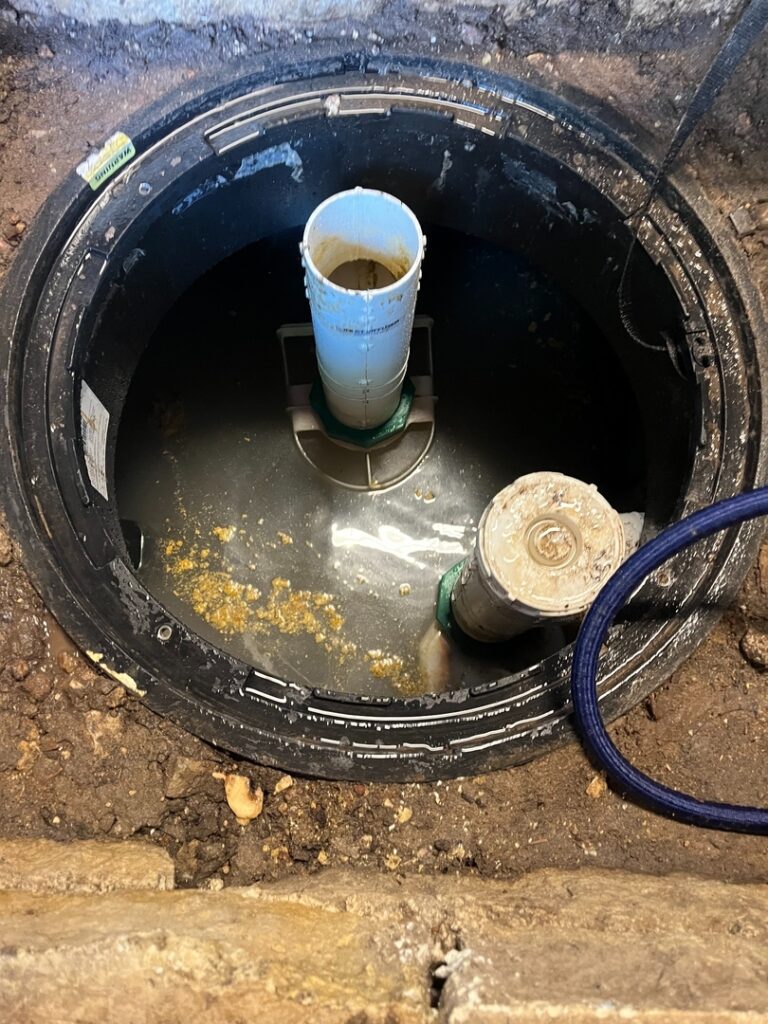
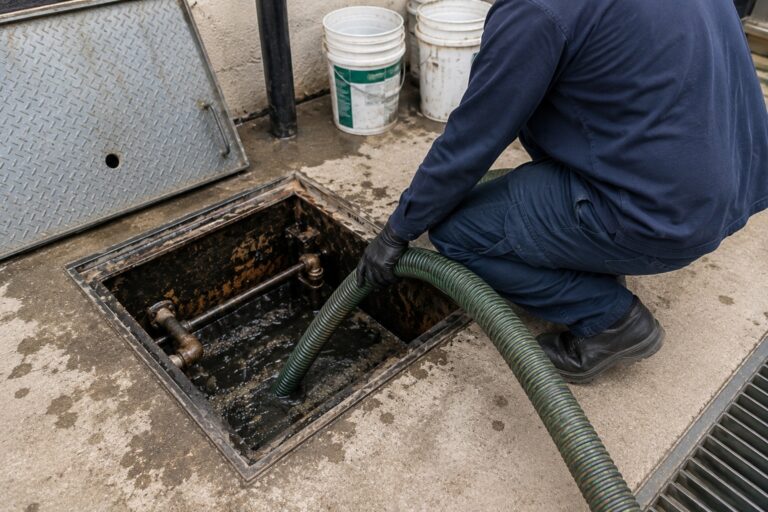
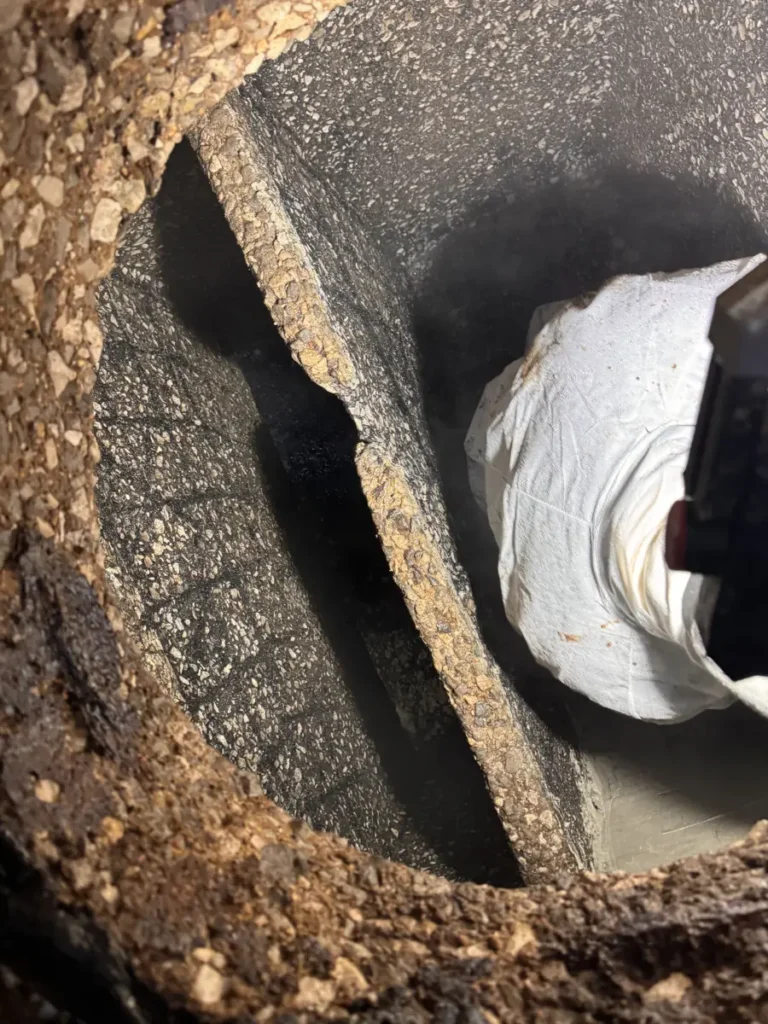
Deep cleaning is intended to deal with residue that can remain after the primary contents of a grease trap have been removed. Grease may adhere to interior surfaces, corners, covers, and other areas where normal waste removal does not completely eliminate it. A thorough cleaning focuses on these remaining deposits so that accumulated material does not continue taking up usable space. Removing this residue can help the trap handle incoming wastewater more effectively. For commercial kitchens, periodic deep cleaning can therefore complement routine maintenance and provide a more complete approach to managing the material that collects through everyday food preparation.
Why Regular Attention Matters?
A neglected grease trap can gradually create conditions that affect the surrounding kitchen environment. Accumulated organic material may produce noticeable odors, while excessive deposits can contribute to slower drainage. As the trap becomes increasingly filled with residue, there is less room available to receive new grease and wastewater from kitchen fixtures. These changes can become particularly inconvenient during periods of high kitchen activity. Monitoring the condition of the trap and arranging suitable cleaning before buildup becomes excessive can help businesses maintain more consistent operation. Preventive maintenance is generally easier to manage than dealing with a trap after its condition has significantly deteriorated.
Matching Cleaning to Kitchen Usage
Cleaning requirements should be considered in relation to how a particular establishment operates. A busy restaurant that prepares fried foods throughout the day will naturally place different demands on its grease trap than a small café with a limited menu. Operating hours, customer volume, cooking equipment, food types, and trap capacity can all affect how rapidly deposits form. Businesses can review previous servicing results to understand their own pattern of accumulation. This information can make it easier to establish a maintenance routine that reflects actual usage. A schedule based on real conditions can help prevent unnecessary delays while ensuring the trap receives attention when it genuinely needs it.
Grease Trap Maintenance for Austin Businesses
Grease Trap Repair Austin provides professional assistance for commercial kitchens that require grease trap cleaning and maintenance. Thorough servicing can help remove accumulated grease and residue while supporting the continued use of the trap as part of the kitchen’s wastewater system. Professional maintenance can also help businesses stay aware of changes that may require additional attention over time. Consistent care may contribute to better drainage, fewer persistent odors, and more dependable grease management. For Austin food service businesses, including grease trap cleaning within regular facility maintenance can help support a cleaner kitchen environment and reduce the possibility of avoidable drainage-related interruptions.