What to Know About Grease Trap Installation in Austin?
Commercial kitchens produce wastewater containing cooking oil, fats, grease, and food particles. When these materials enter drainage pipes, they can accumulate and contribute to blockages or unpleasant odors. Grease Trap Installation Services in Austin, TX help restaurants separate grease from wastewater before it enters the drainage system. Understanding how these systems work, what affects their selection, and how they should be maintained helps restaurant owners make informed decisions about their kitchen plumbing.
How Does a Grease Trap Work?
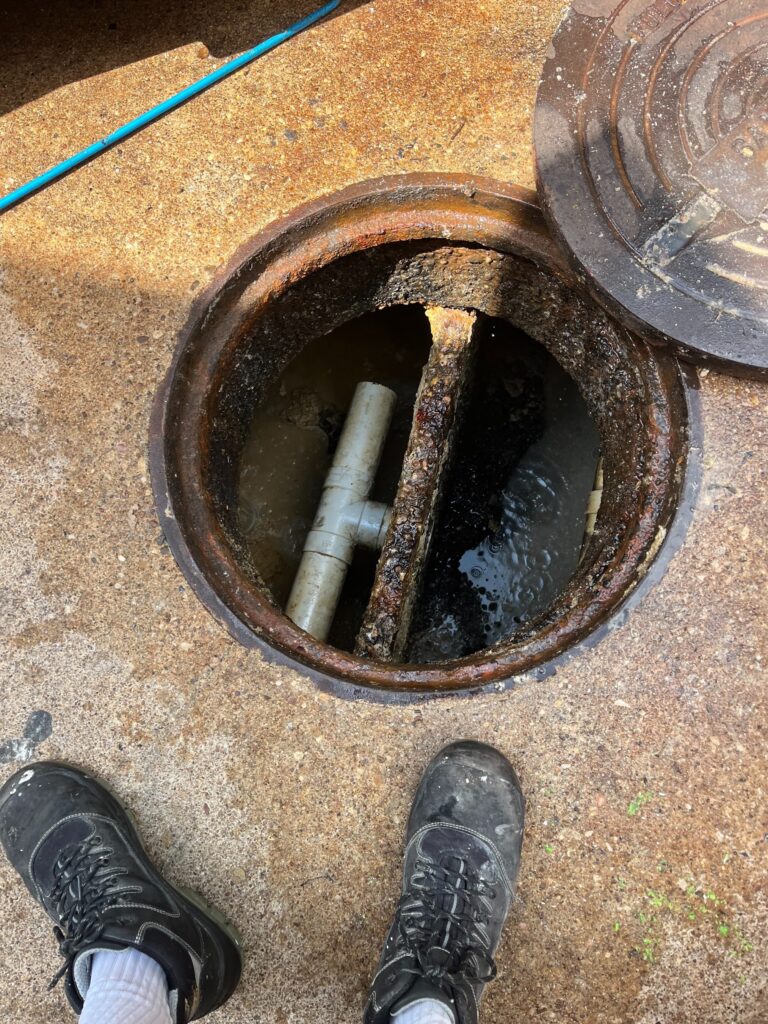
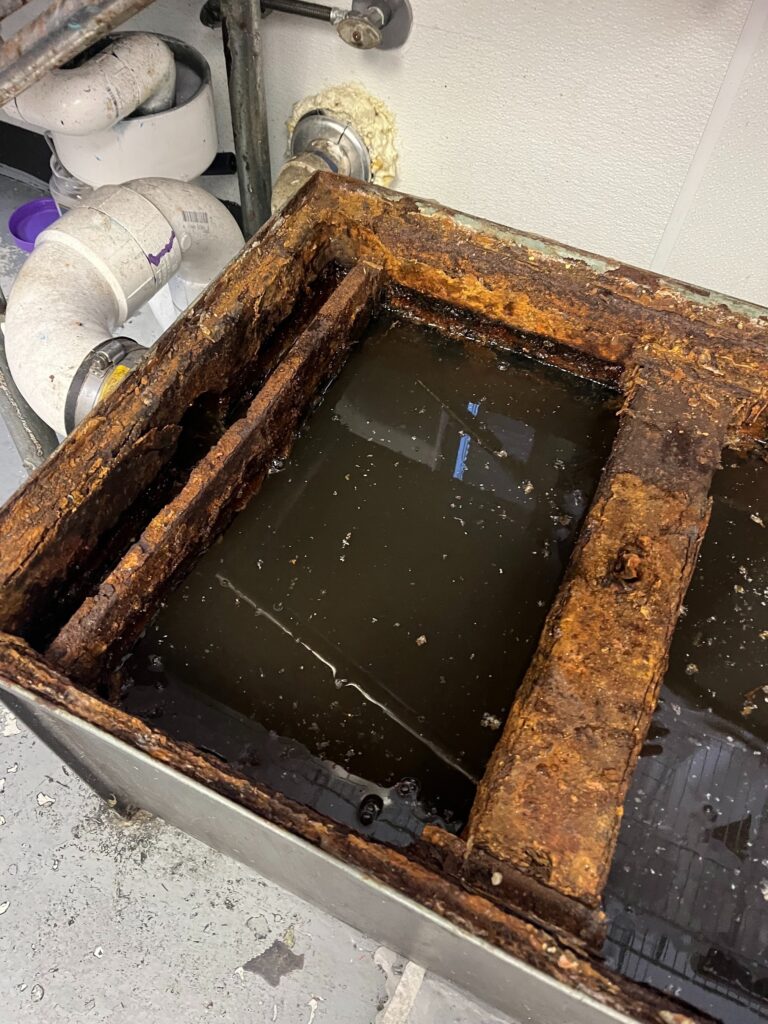
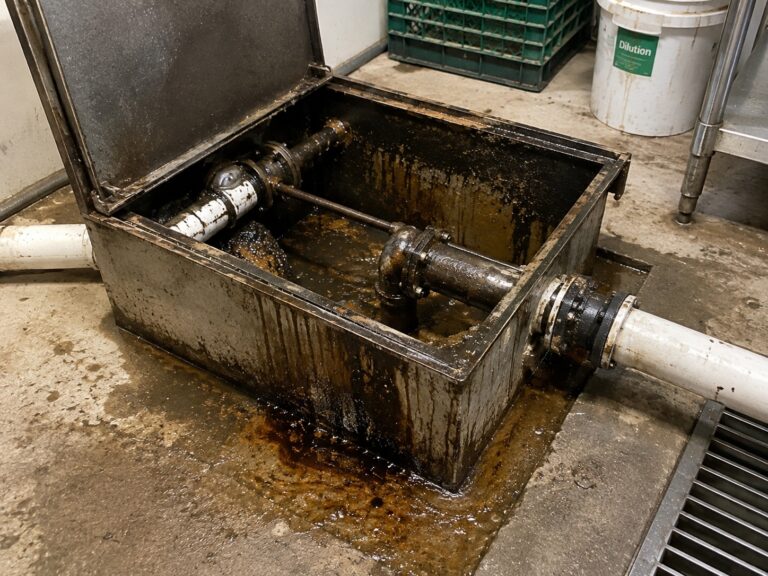
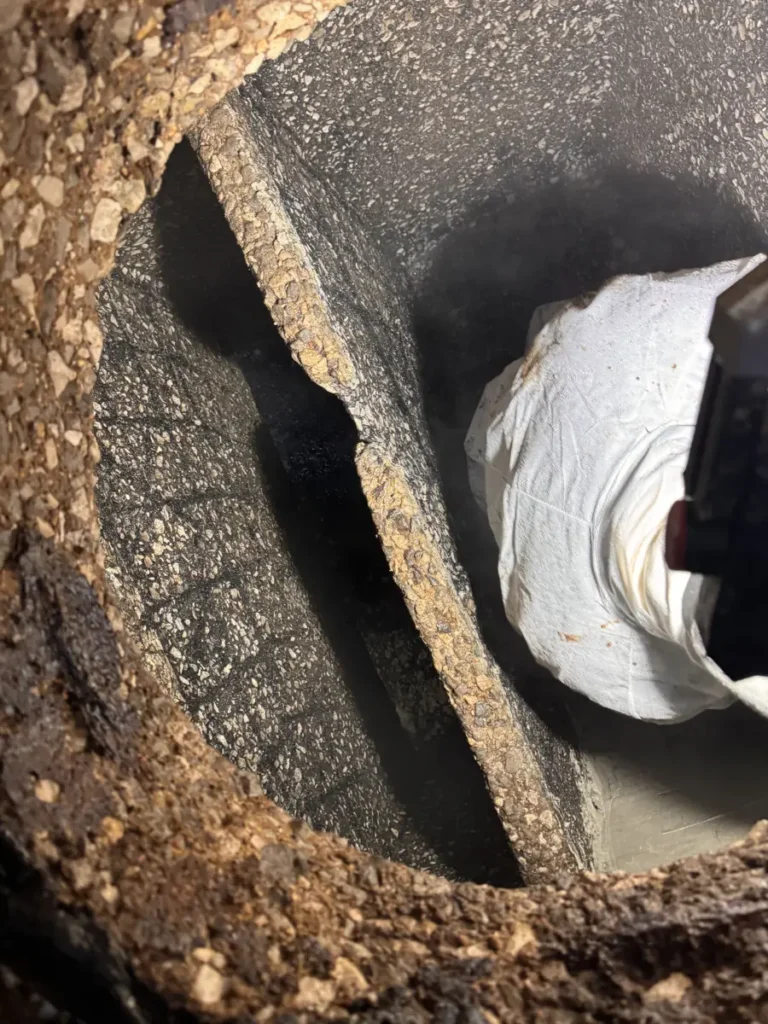
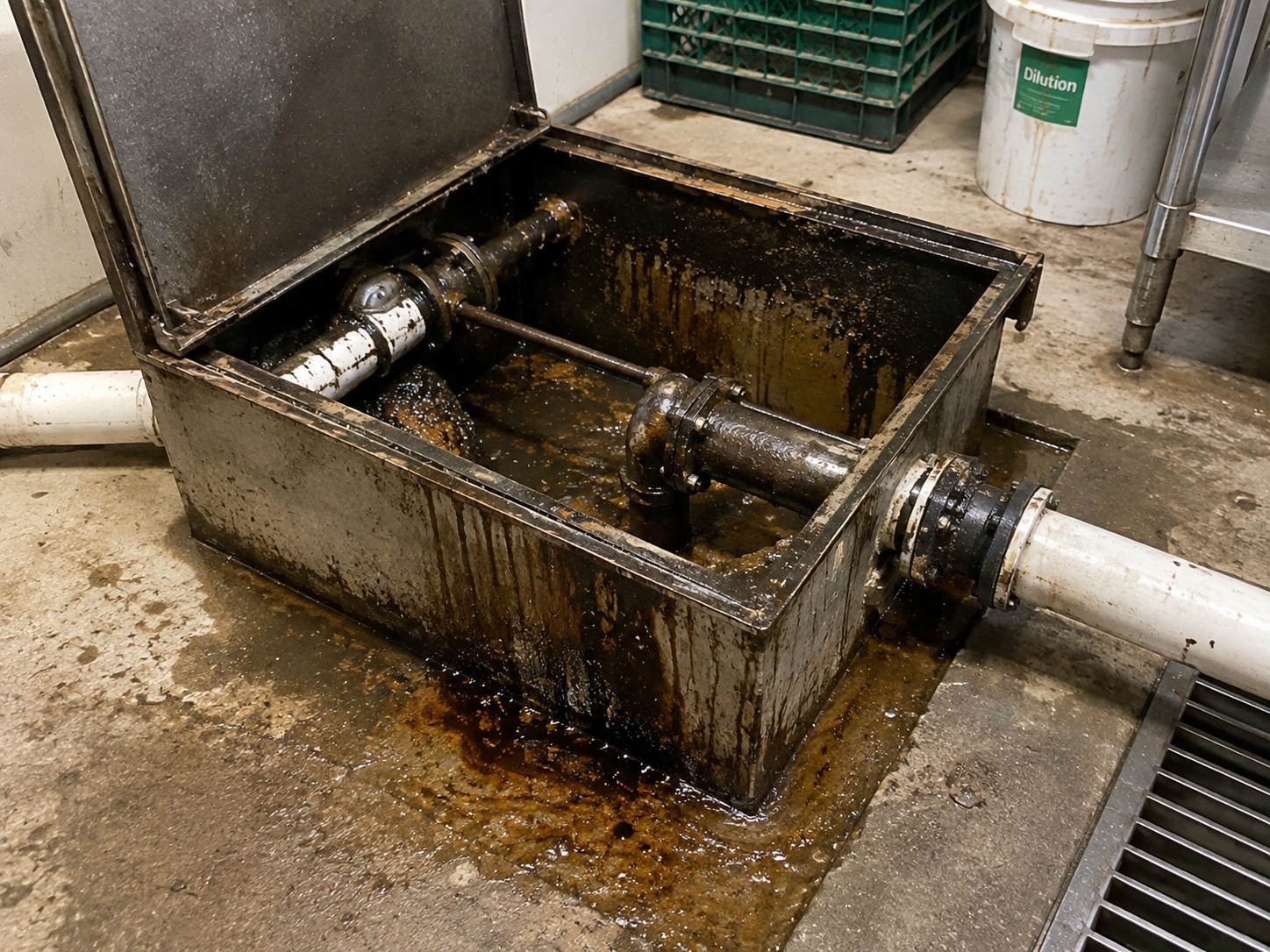
A grease trap separates fats and oils from wastewater by slowing the water flow inside a specially designed chamber. Grease rises to the surface, while heavier food particles settle at the bottom. The separated water then moves toward the outlet and into the drainage system. This process helps reduce grease accumulation in plumbing lines. However, the trap must have suitable capacity and receive regular cleaning to maintain its effectiveness. The right equipment depends on the kitchen’s wastewater output and daily activities.
What Determines the Right Grease Trap Size?
Grease trap selection depends on several factors, including the number of sinks, water flow, dishwashing equipment, and the amount of food prepared each day. A small café may require a different system from a restaurant with a busy commercial kitchen. Choosing an undersized unit can lead to frequent cleaning and reduced performance, while an unnecessarily large unit may increase installation expenses. Restaurant owners should evaluate their plumbing setup and wastewater needs before selecting equipment. Applicable local plumbing requirements should also be considered.
Where Should a Grease Trap Be Installed?
Installation location affects accessibility, maintenance, and plumbing performance. Depending on the kitchen layout, a grease trap may be positioned beneath a sink, inside a designated service area, or outside the building. Installers must consider available space, drainage connections, cleaning access, and the system’s capacity. A poorly positioned unit can make inspections difficult and delay routine maintenance. Planning the location before installation helps prevent avoidable modifications and allows technicians to service the equipment more efficiently.
Why Is Proper Installation Necessary?
Incorrect connections, unsuitable equipment, and poor placement can contribute to leaks, slow drainage, and recurring plumbing problems. Proper installation involves assessing the existing drainage system, selecting compatible equipment, and checking that wastewater flows through the unit correctly. Grease Trap Repair Austin helps businesses address grease trap concerns and understand the importance of reliable system operation. Restaurant owners should also ensure that installation work follows manufacturer instructions and applicable local requirements. These steps help establish a suitable foundation for long-term performance.
How Can Restaurants Maintain Their Grease Traps?
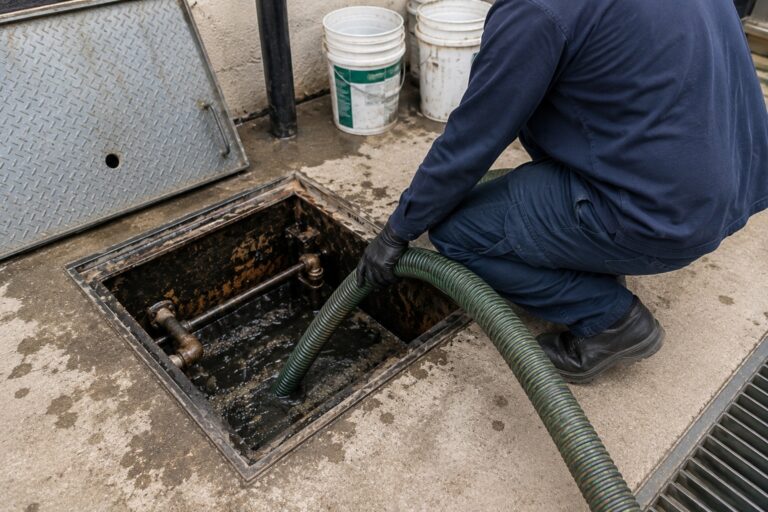
Regular cleaning and inspection help prevent excessive grease accumulation and support consistent drainage. Kitchen staff should avoid pouring cooking oil directly into sinks and remove food scraps before washing dishes. Cleaning frequency should reflect grease buildup, kitchen activity, manufacturer guidance, and applicable regulations. Restaurant owners should also monitor slow drains, unusual odors, and leaks that may indicate a problem. Keeping maintenance records makes it easier to track service intervals and identify recurring issues. With appropriate equipment and routine care, Austin restaurants can manage wastewater more effectively and reduce avoidable plumbing disruptions.