What Causes Grease Trap Problems in Austin?
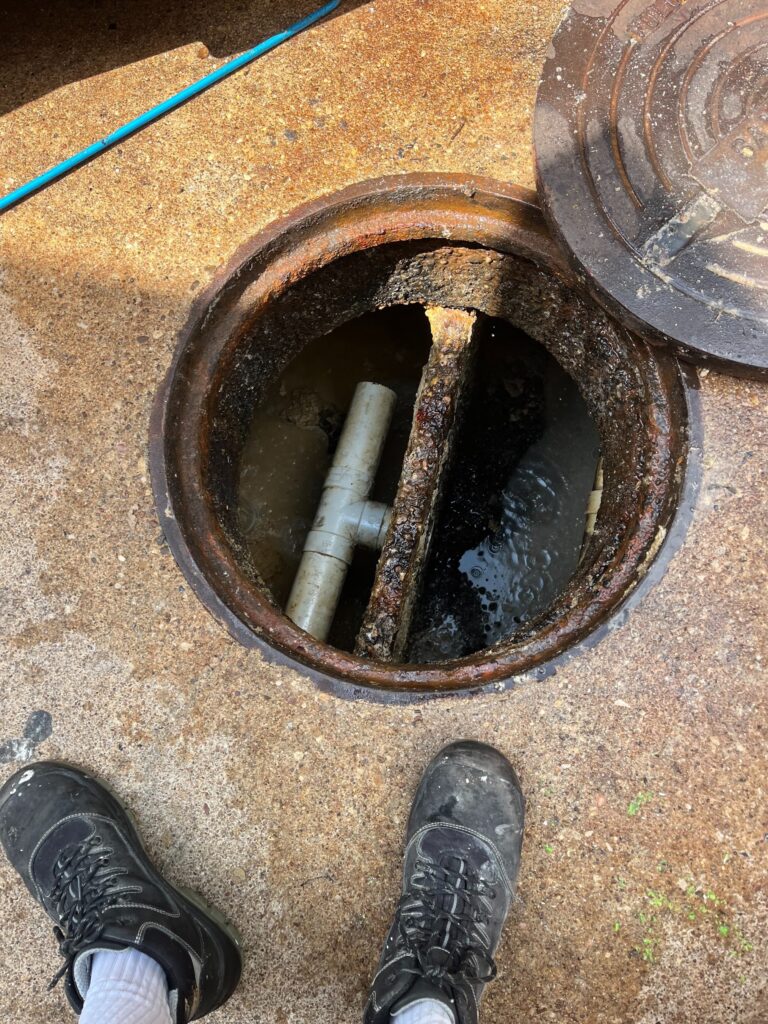
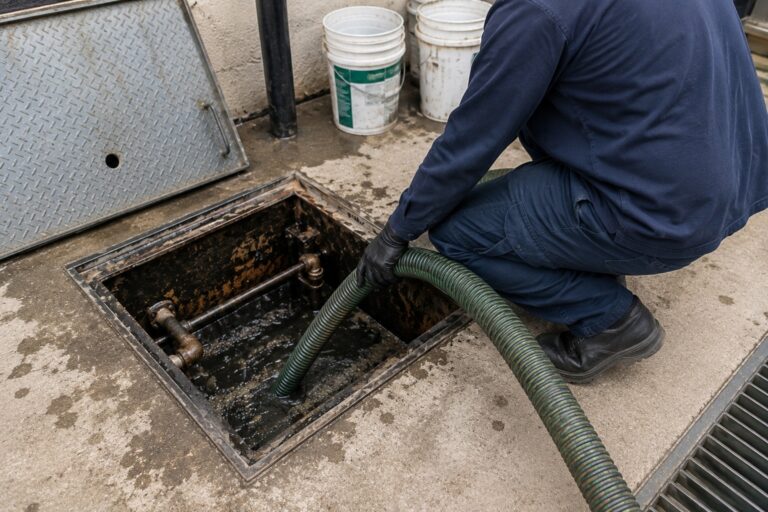
Commercial kitchens rely on grease traps to manage wastewater produced during cooking, cleaning, and food preparation. Over time, fats, oils, grease, and food particles can affect the system’s performance and create drainage concerns. Grease Trap Repair Services in Austin, TX help restaurants address problems such as leaks, blockages, and damaged components. Understanding the common causes of grease trap failure allows business owners to recognize warning signs, respond promptly, and maintain a more dependable kitchen drainage system.
What Are the Warning Signs of Grease Trap Failure?
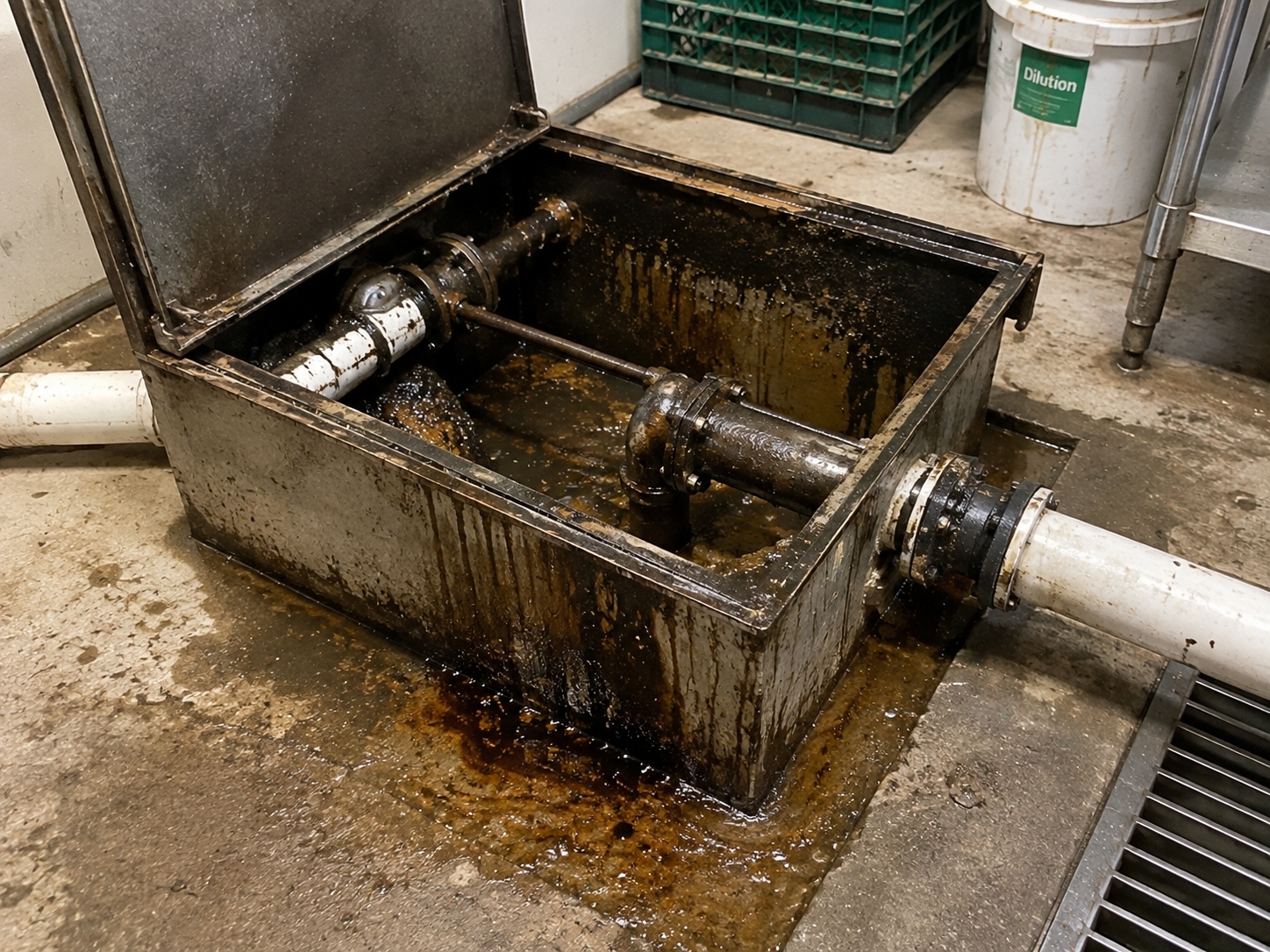
A grease trap may show several signs when it is no longer operating correctly. Slow-draining sinks, unpleasant odors, wastewater backups, and moisture around the unit can indicate an underlying issue. Some problems develop gradually, while others become noticeable during busy kitchen hours. Restaurant employees should report recurring drainage concerns instead of relying only on routine cleaning. Identifying these symptoms early helps owners determine whether the unit needs inspection, cleaning, or repairs before the issue interferes with daily kitchen activities.
Why Do Grease Traps Develop Mechanical Problems?
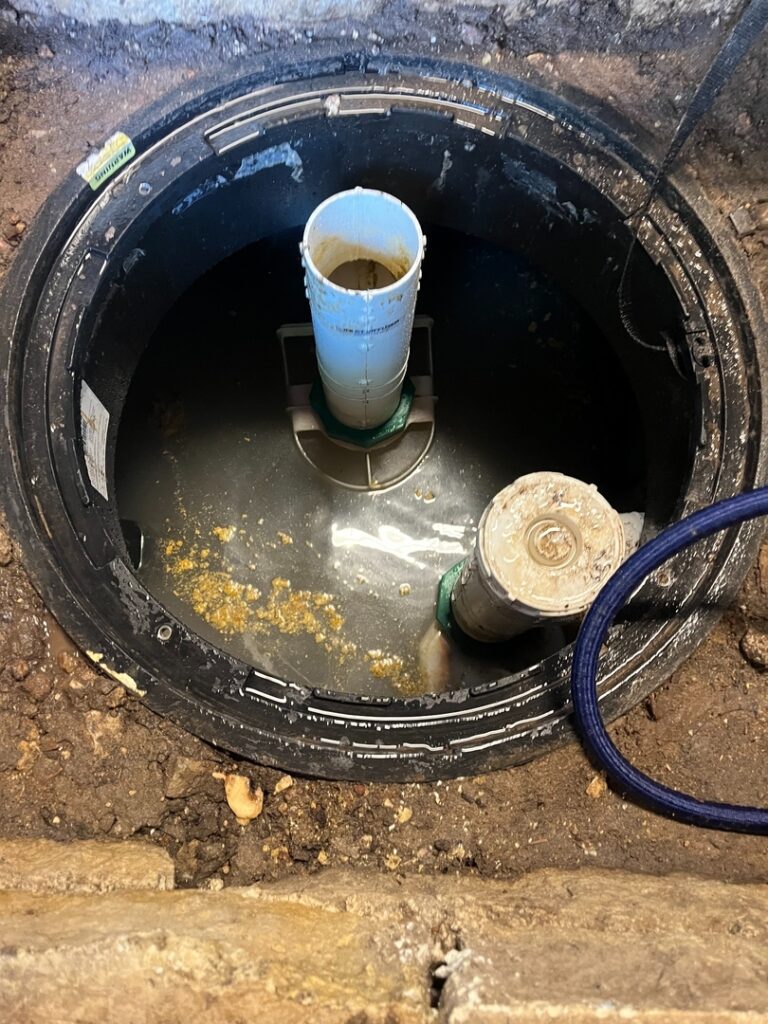
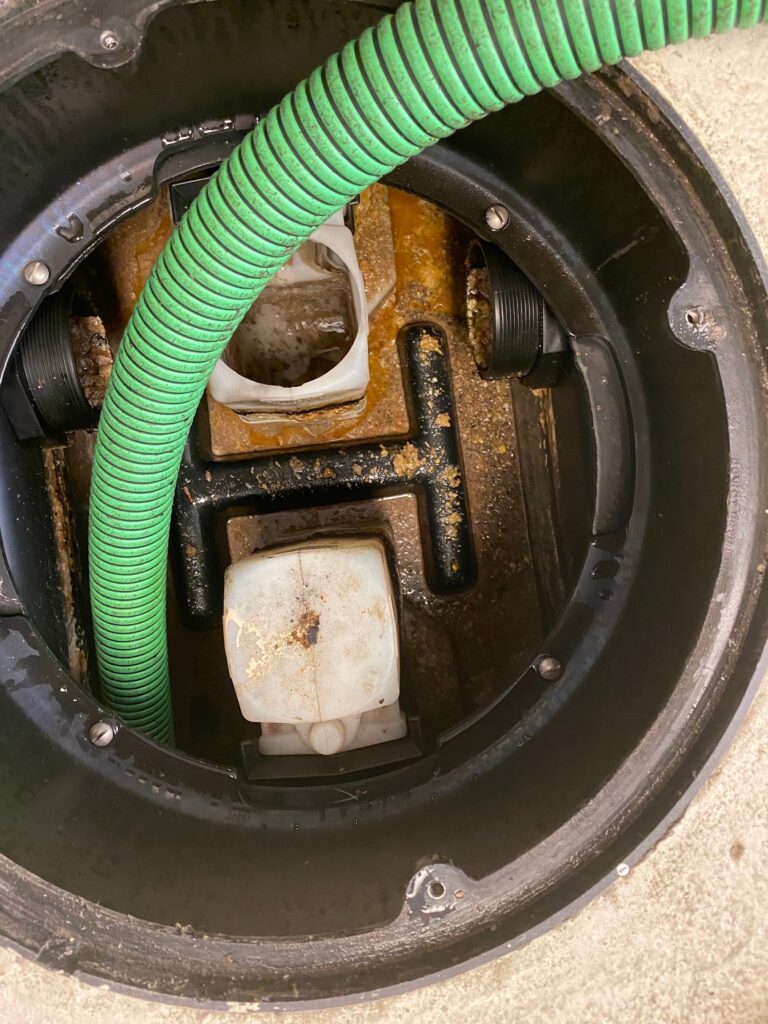
Heavy usage, insufficient maintenance, and excessive grease accumulation can affect grease trap performance. Food scraps entering the system may contribute to blockages, while worn seals and loose plumbing connections can lead to leaks. Another possible cause is an undersized unit that cannot handle the wastewater volume produced by the kitchen. Restaurants with frequent dishwashing and extensive food preparation should monitor their equipment carefully. Understanding the underlying cause is important because removing accumulated grease will not resolve damaged components or incorrectly connected pipes.
How Can Repair Work Improve Drainage?
Grease trap repair begins with identifying the source of the problem. Depending on the condition of the equipment, the necessary work may involve fixing leaking connections, replacing damaged parts, or correcting restrictions in the drainage line. An inspection can also reveal whether the unit is receiving more wastewater than it can handle. Addressing the actual cause helps restore normal operation and reduces the likelihood of repeated problems. Restaurant owners should ensure that repairs follow manufacturer recommendations and applicable plumbing requirements.
When Should Restaurants Arrange a Grease Trap Inspection?
Recurring odors, repeated blockages, visible leaks, and wastewater backing up into sinks are reasons to arrange an inspection. Businesses should also investigate problems that continue after cleaning because they may indicate a mechanical fault or plumbing restriction. Waiting until a grease trap stops functioning completely can disrupt food preparation and dishwashing. Regular inspections help restaurant owners understand the equipment’s condition and identify developing concerns. Keeping records of previous repairs and maintenance can also help technicians investigate recurring problems more efficiently.
How Can Austin Restaurants Reduce Future Repairs?
Consistent maintenance and responsible kitchen practices can help reduce avoidable grease trap problems. Employees should scrape food residue into waste containers and avoid pouring cooking oil directly into sinks. Restaurant managers should establish a cleaning schedule based on grease accumulation, equipment requirements, and applicable regulations. They should also monitor drainage performance and arrange professional attention when unusual symptoms appear. For local assistance with grease trap concerns, Grease Trap Repair Austin can help businesses understand their repair and maintenance needs. Combining timely repairs with regular care helps restaurants maintain dependable drainage and reduce unnecessary interruptions to kitchen operations.