How Does a New Grease Trap Benefit Austin Kitchens?
Commercial kitchens produce wastewater throughout the day, and much of it can contain fats, oils, and grease from cooking and food preparation. Without an appropriate system for separating these materials, grease can travel into drainage lines and gradually affect their performance. A properly planned grease trap provides a dedicated space for collecting grease before wastewater continues through the plumbing system. For businesses considering an upgrade or setting up a new kitchen, Grease Trap Installation Services in Austin, TX can provide an important part of an effective wastewater management setup.
What Role Does a New Grease Trap Play?
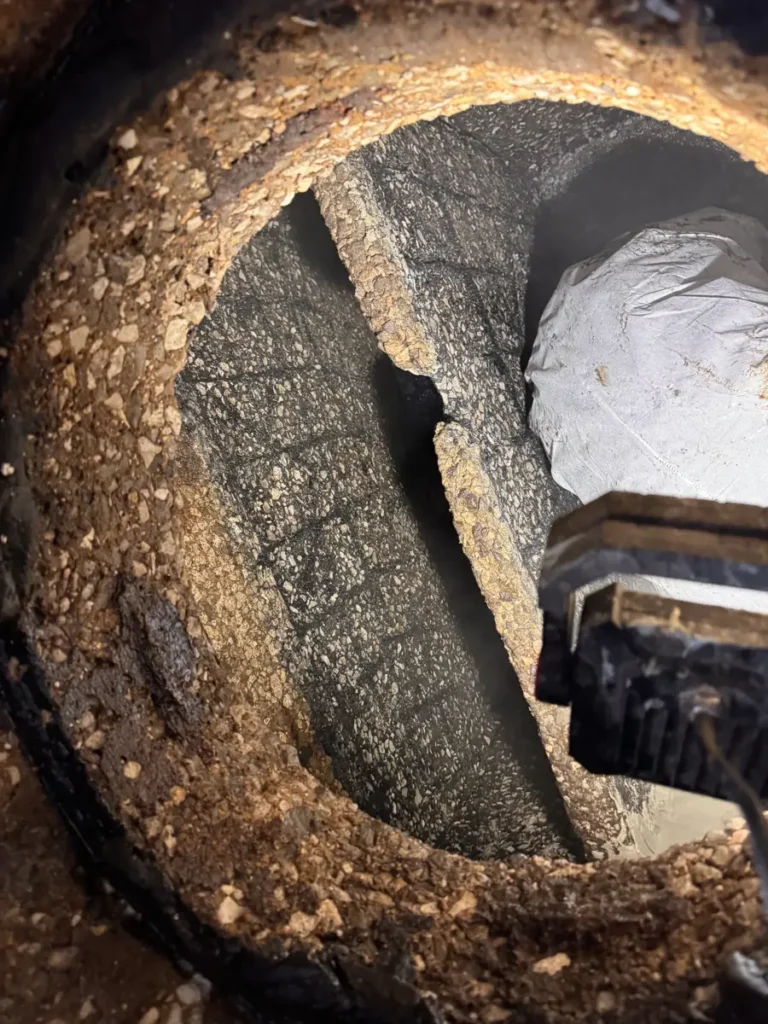
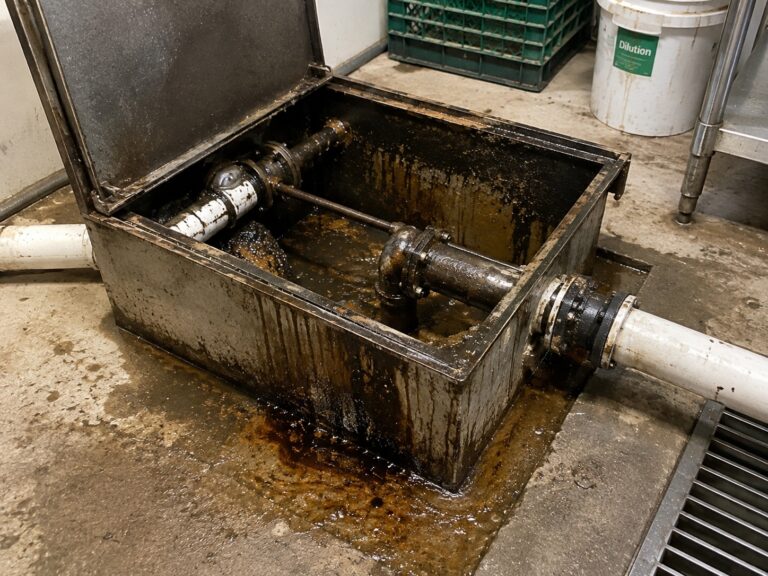
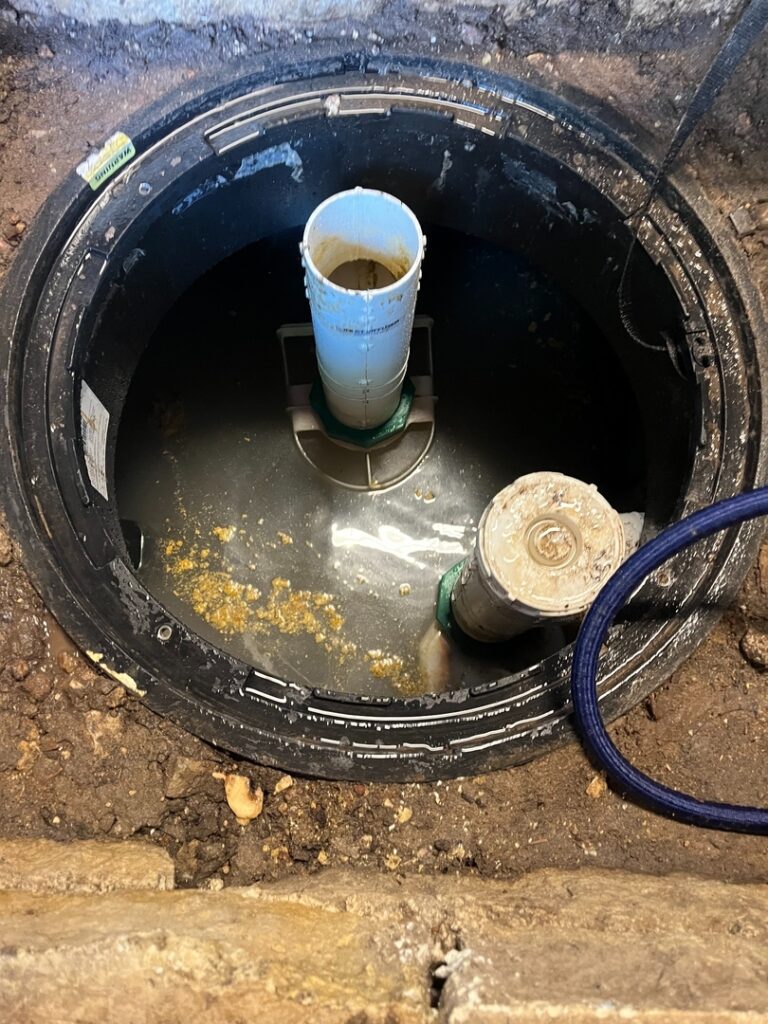
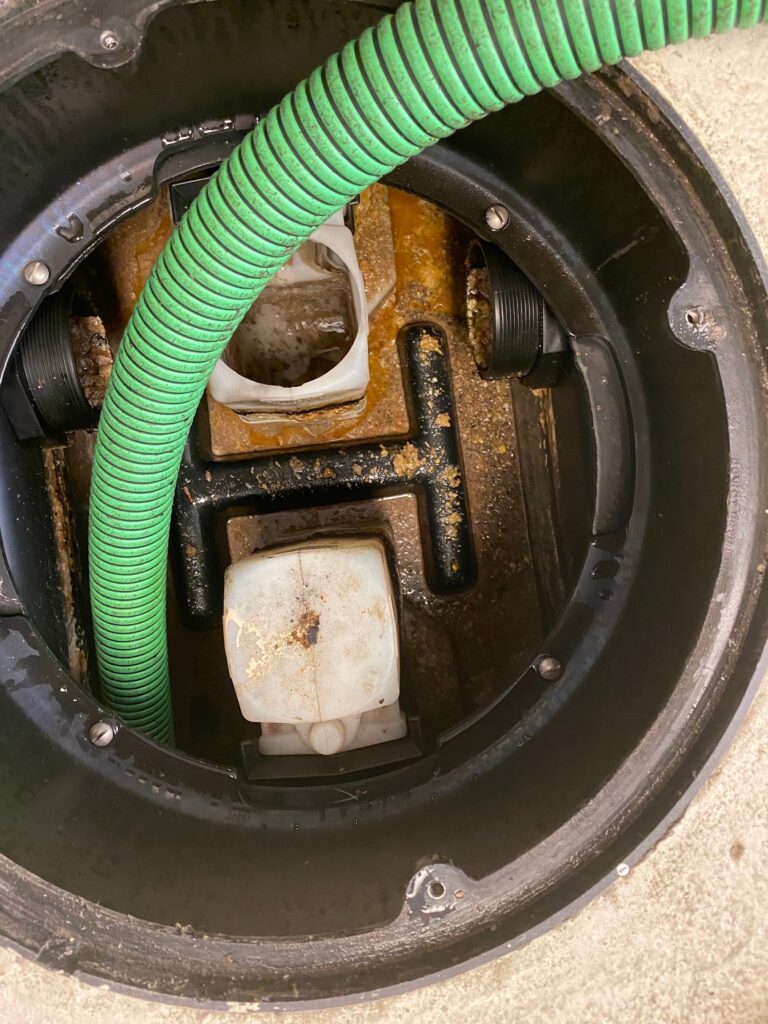
A new grease trap can provide a controlled point for separating grease from wastewater before it reaches connected drainage lines. As wastewater passes through the system, heavier grease and oils can be retained rather than continuing directly into the plumbing. This can help reduce the amount of grease accumulating inside drainage pipes. The value of the system depends on selecting equipment that matches the kitchen’s expected usage and having it installed correctly. A suitable setup can become an important part of the property’s overall drainage infrastructure.
How Can Installation Support Kitchen Operations?
Drainage problems can interfere with everyday kitchen activities, particularly in businesses that rely on sinks, dishwashing areas, and other water-using equipment throughout the day. A properly planned grease management system can help control the amount of grease entering the drainage network. This does not eliminate the need for cleaning or maintenance, but it can provide a more organized way to manage fats and oils produced during normal operations. Proper installation can also help ensure that wastewater moves through the system without unnecessary restrictions caused by poorly positioned or unsuitable equipment.
What Makes the Installation Location Important?
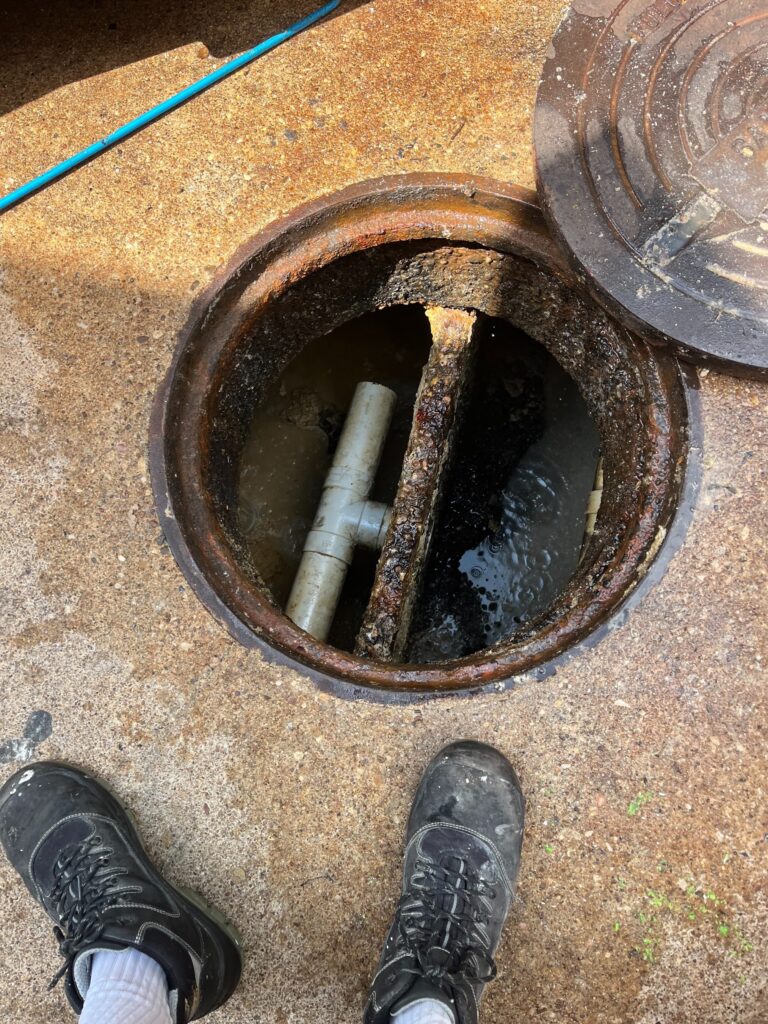
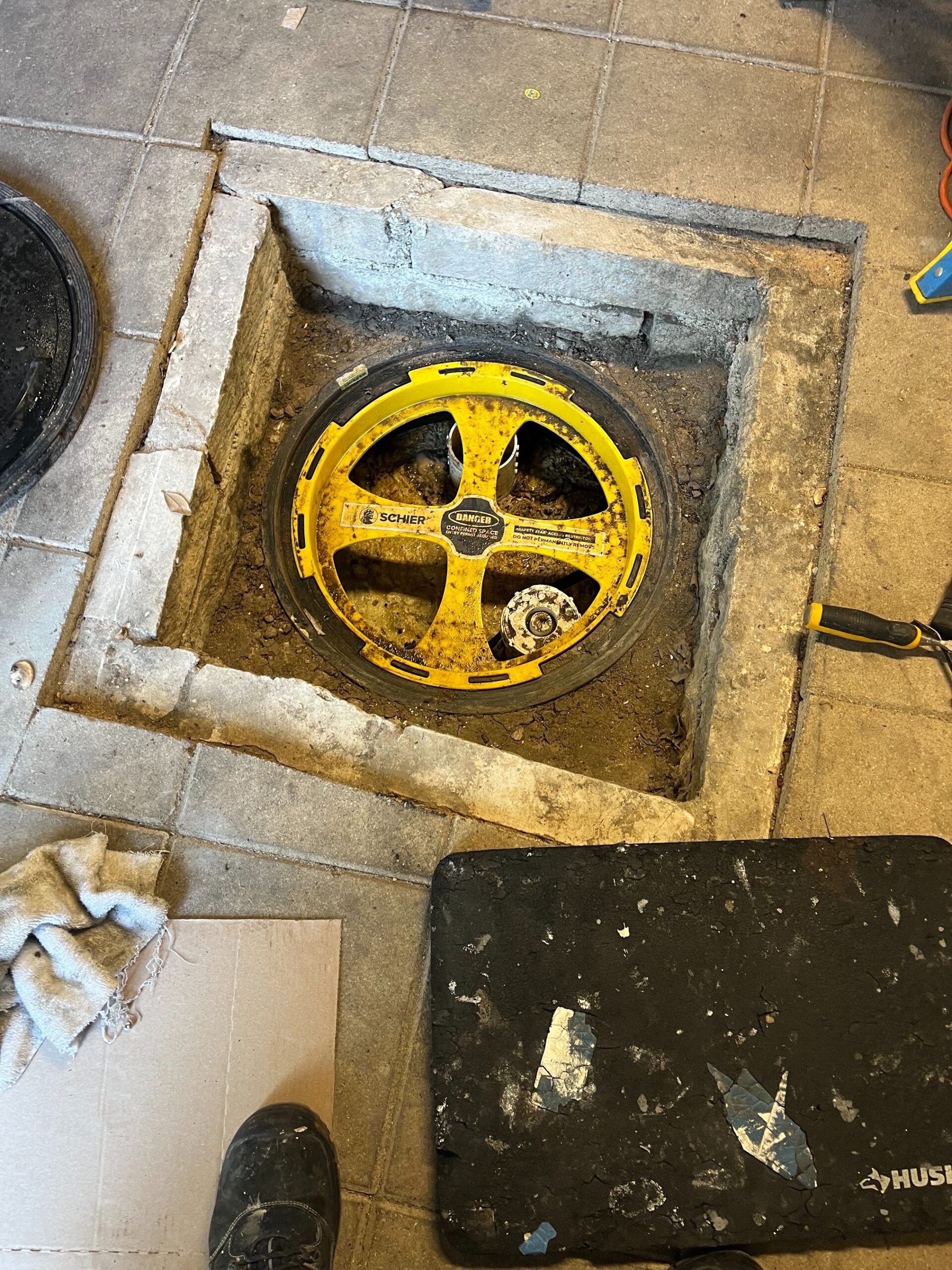
The location of a grease trap can affect both its operation and future maintenance. The system should work with the existing plumbing layout while providing enough access for inspection and cleaning. The position of kitchen sinks, drainage pipes, available floor or exterior space, and wastewater flow should be considered before installation. A location that is difficult to access can make routine servicing more complicated later. Planning the placement carefully can therefore help businesses maintain the equipment more conveniently while allowing it to function as part of the property’s existing drainage system.
How Should Businesses Choose the Right System?
The appropriate grease trap depends on the characteristics of the commercial kitchen rather than simply the size of the building. Daily wastewater production, kitchen equipment, operating hours, grease volume, and the number of fixtures connected to the system can all influence the requirements. A restaurant with heavy food preparation may need a different solution from a smaller commercial kitchen. Evaluating these conditions before installation can help businesses avoid choosing equipment that is unsuitable for their normal workload. Grease Trap Installation Services in Austin, TX can be considered when these requirements need to be evaluated as part of an installation project.
What Care Does a New Grease Trap Need?
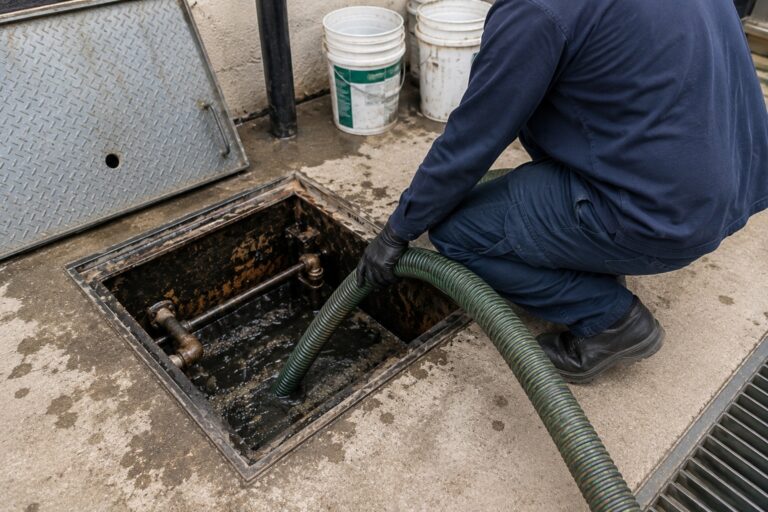
A new grease trap still requires regular attention after installation. Grease accumulation needs to be managed through appropriate cleaning, while kitchen staff should avoid disposing of excessive oils, fats, and solid food waste through drains. Regular observation can also reveal changes such as unusual odors, slow drainage, or visible leaks. If a newly installed system develops an operational issue, Grease Trap Repair Austin can help identify the source and determine what type of attention may be required. Proper installation combined with responsible kitchen practices and routine maintenance can help a grease trap remain useful and support dependable wastewater management over time.