What Affects Grease Trap Repairs in Austin Kitchens?
Commercial kitchens rely on effective drainage systems to manage wastewater from cooking, cleaning, and dishwashing. Over time, grease, food particles, and regular equipment use can contribute to blockages or mechanical problems. When these issues occur, Grease Trap Repair Services in Austin, TX, can help restaurant owners identify the cause and determine the right repair approach. Understanding how grease traps fail and recognizing early warning signs can help Austin businesses maintain kitchen hygiene, protect plumbing systems, and avoid unnecessary interruptions.
What Causes Grease Trap Damage?
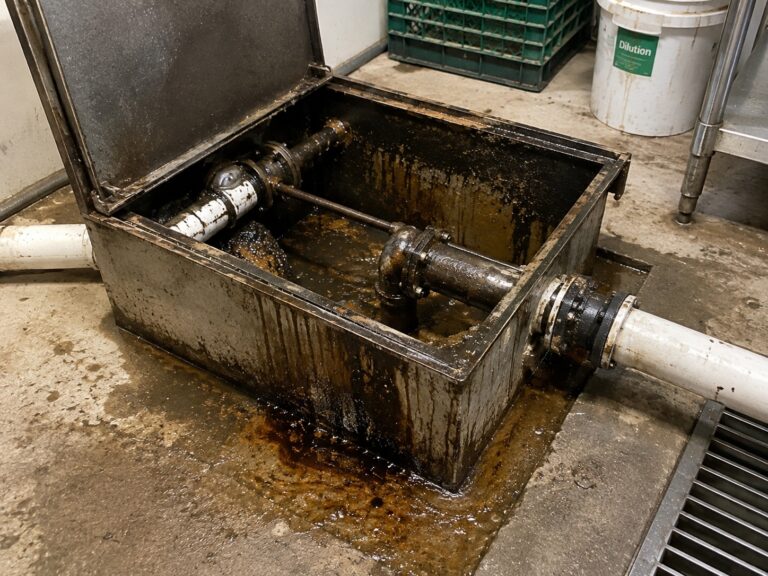
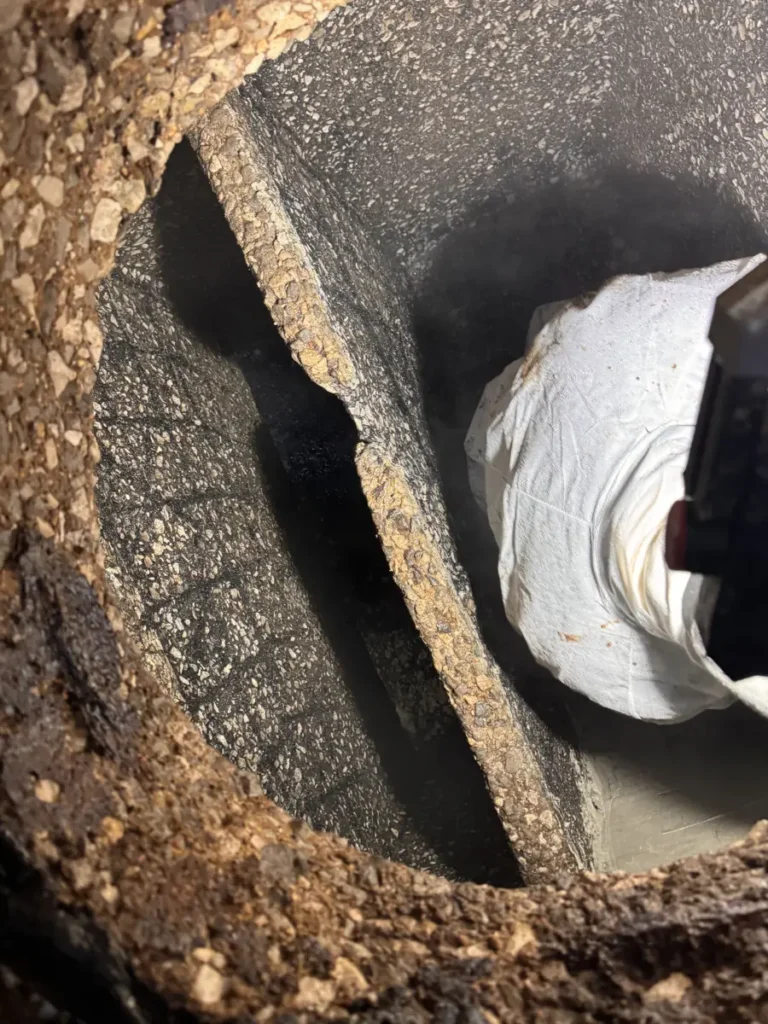
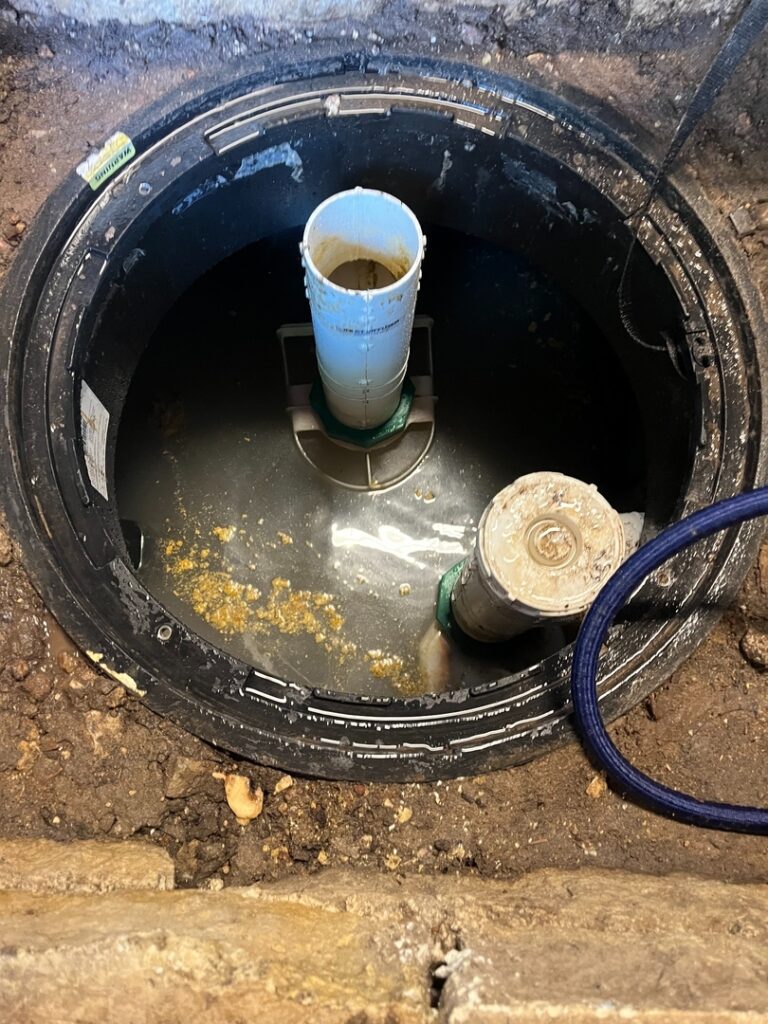
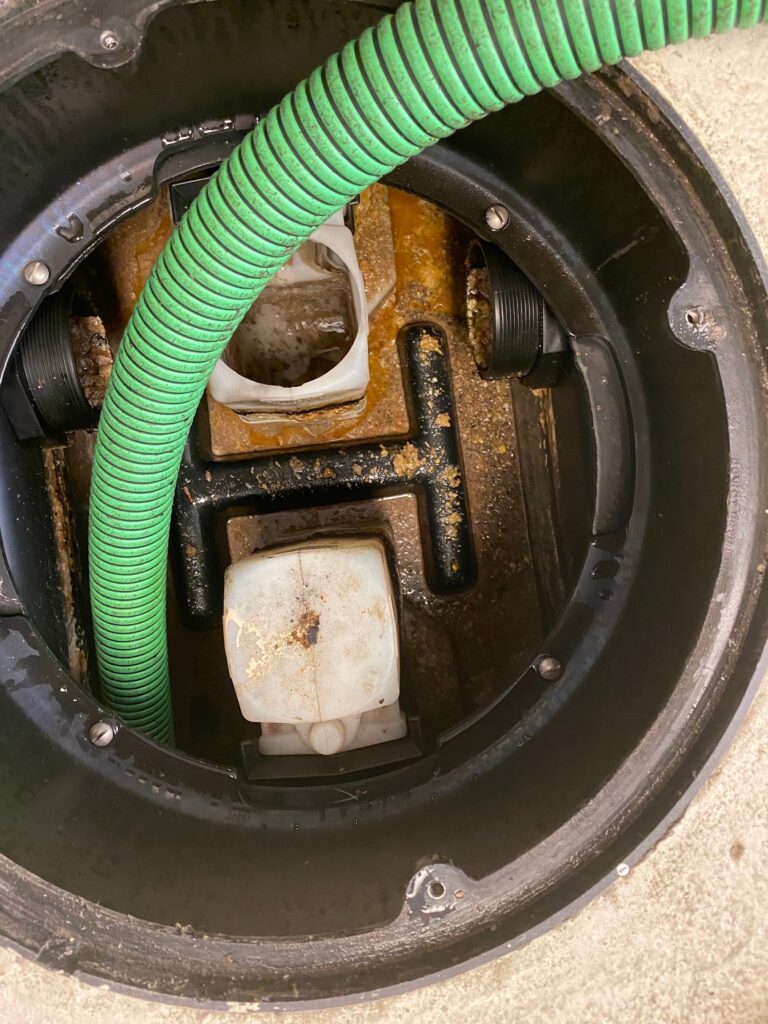
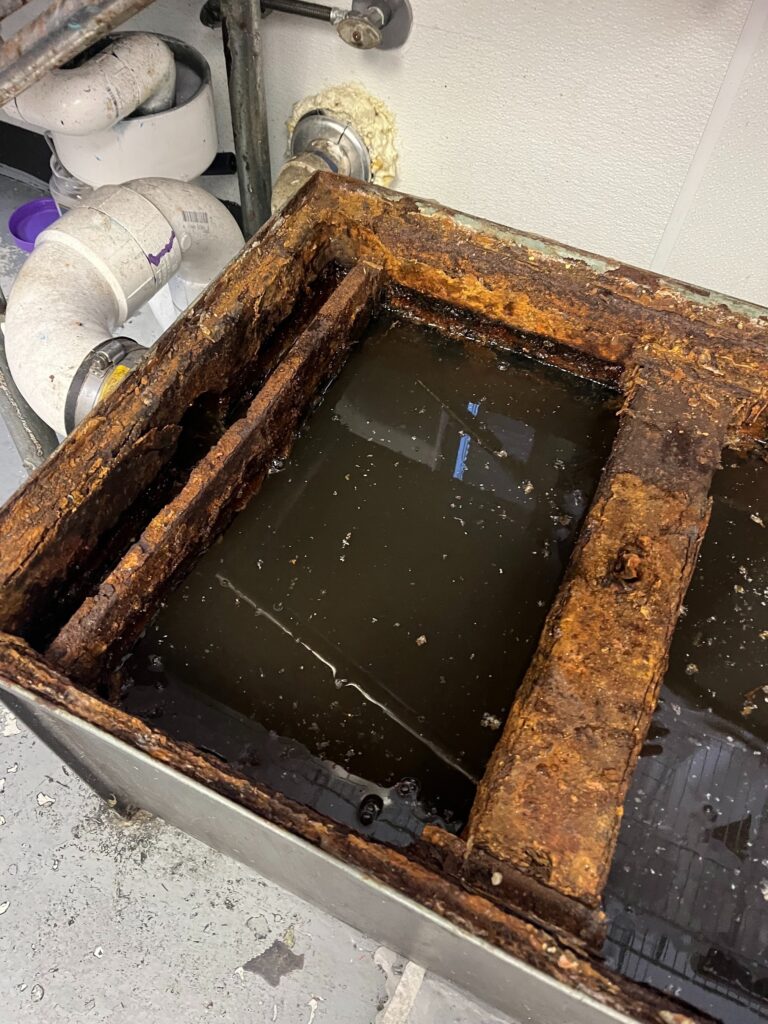
Grease traps operate under demanding conditions, especially in kitchens that prepare food throughout the day. Excessive grease accumulation can restrict normal operation, while worn seals, damaged covers, and loose pipe connections may lead to leaks. Incorrect installation or a trap that cannot accommodate the kitchen’s wastewater volume can also cause recurring difficulties. In some cases, corrosion or deterioration of older components affects the unit’s performance. A proper inspection helps identify whether the issue involves accumulated waste, damaged parts, or a problem with the surrounding plumbing.
How Do Grease Trap Faults Affect Daily Operations?
A grease trap that does not function correctly can create several challenges for restaurant staff. Slow-draining sinks may delay dishwashing, while recurring blockages can interrupt routine kitchen tasks. Unpleasant odors may develop when waste accumulates, and leaking connections can create wet areas around the equipment. If grease enters downstream pipes, it may contribute to further drainage problems. These issues can become particularly disruptive during busy service periods. Addressing faults promptly helps restaurant operators maintain smoother workflows and reduce the risk of more extensive plumbing concerns.
Which Warning Signs Require Professional Attention?
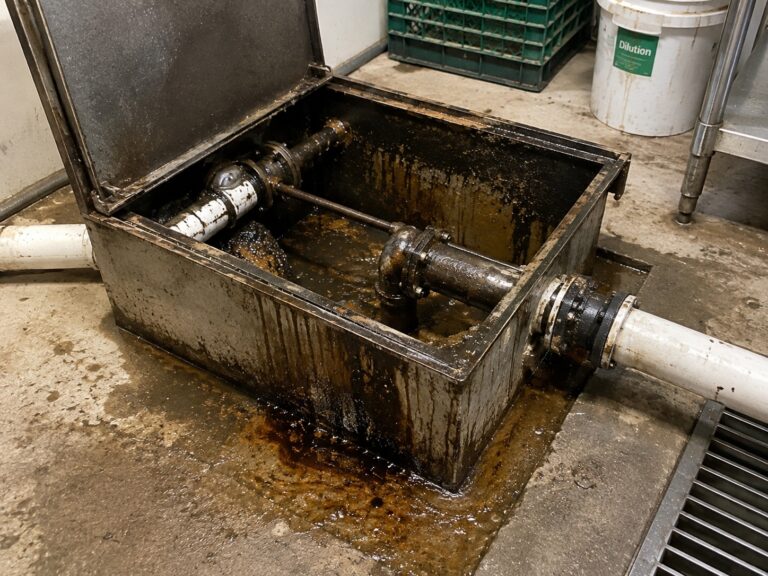
Restaurant owners and employees should watch for changes in drainage, unusual smells, and visible damage around the grease trap. Water backing up into sinks, repeated blockages, leaking pipes, and damaged covers may indicate that the equipment needs inspection. Grease collecting around the unit can also suggest a maintenance or plumbing concern. However, these symptoms do not always point to the same cause. A qualified professional can examine the system and determine whether it requires repairs, cleaning, replacement components, or further investigation of the drainage line.
Why Is Timely Repair Important for Austin Businesses?
Delaying grease trap repairs may allow minor faults to become more serious and expensive to address. A leaking connection can continue releasing wastewater, while damaged components may prevent the system from operating as intended. Prompt attention helps restore performance and reduce disruptions to kitchen activities. Austin businesses should consider their kitchen workload, equipment condition, and maintenance history when arranging inspections. Following manufacturer recommendations and applicable local requirements also helps owners make informed decisions about servicing their grease traps and maintaining dependable drainage.
How Can Restaurants Reduce Future Repair Needs?
Preventive maintenance can help restaurants identify developing problems before they affect daily operations. Staff should dispose of food scraps properly, collect used cooking oil separately, and avoid pouring grease directly into sinks. Routine cleaning, scheduled inspections, and quick attention to leaks can reduce avoidable strain on the system. Keeping maintenance records also helps owners recognize repeated faults and plan suitable service intervals. Grease Trap Repair Austin helps businesses understand grease trap repair and maintenance needs. With consistent care and timely professional attention, restaurants can support reliable drainage and maintain a cleaner, more efficient kitchen environment.