What Keeps Grease Traps Effective in Austin Kitchens?
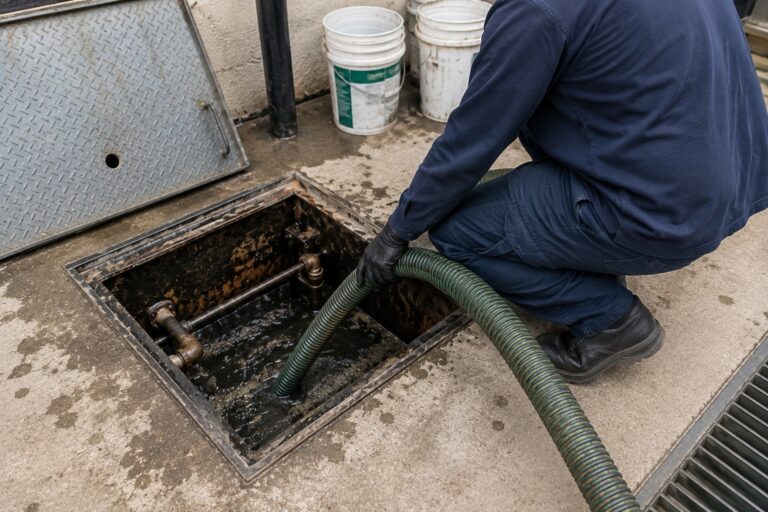
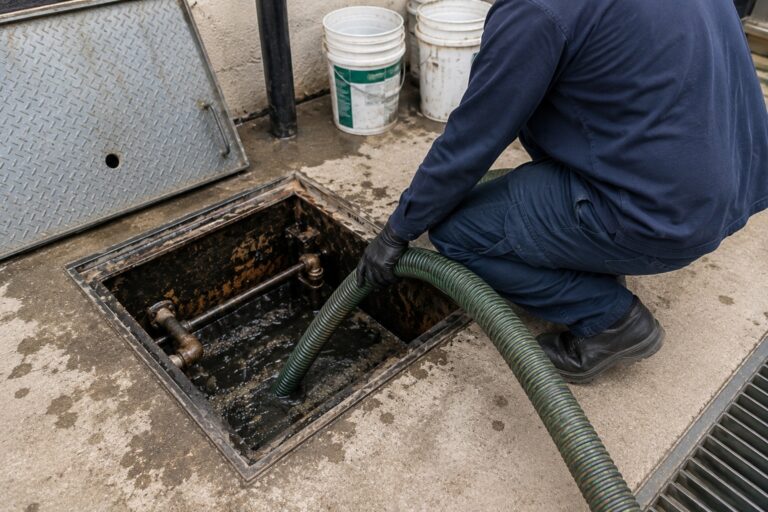
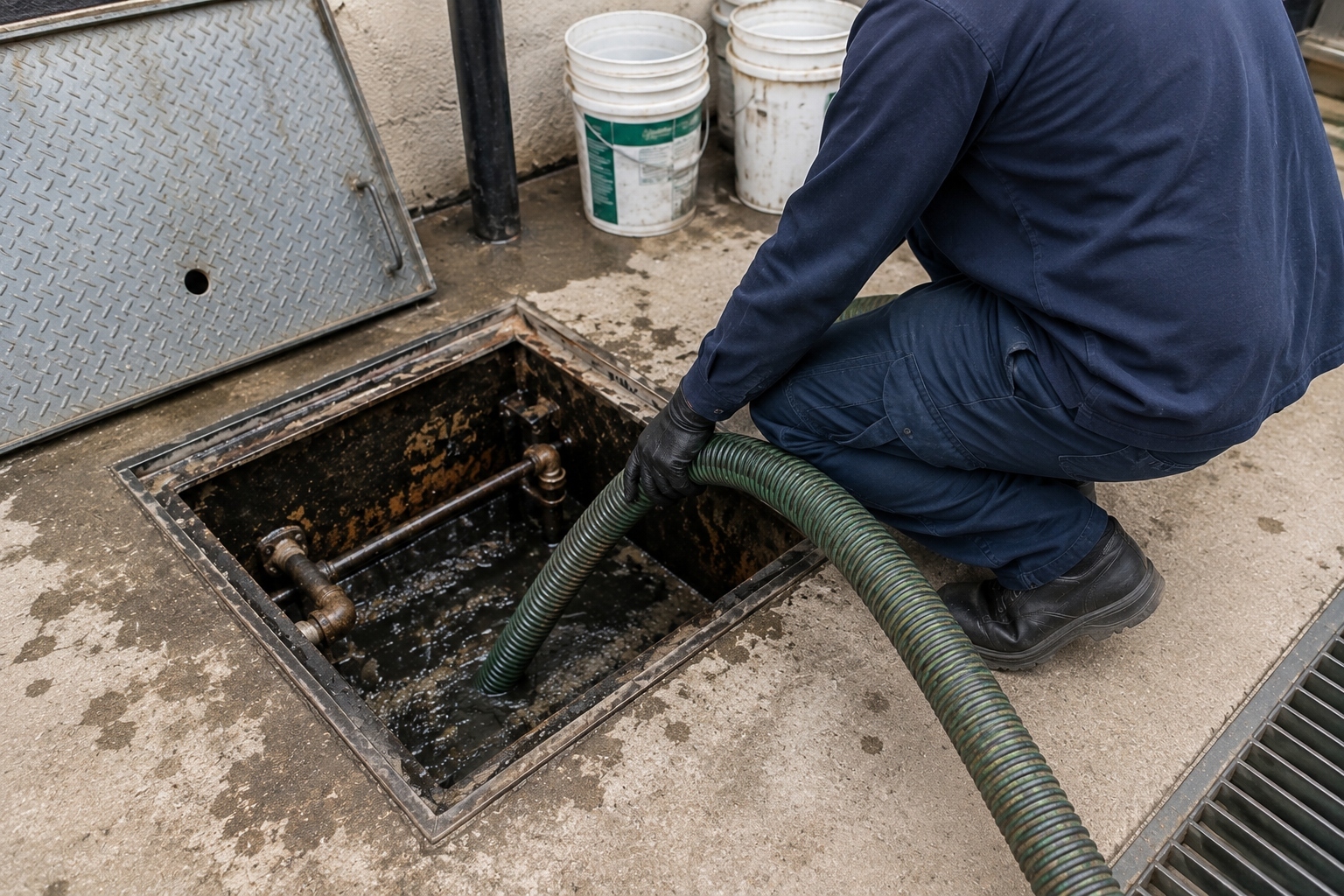
Commercial kitchens handle cooking oil, food scraps, and wastewater throughout the day, allowing grease to collect inside drainage systems over time. Without proper maintenance, this buildup can affect drainage and create unpleasant odors. Grease Trap Deep Cleaning in Austin, TX, helps remove accumulated grease and food debris so commercial kitchens can maintain better system performance. For Austin restaurants, understanding the cleaning process and recognizing early warning signs can help prevent avoidable plumbing problems.
Why Does Grease Trap Buildup Become a Problem?
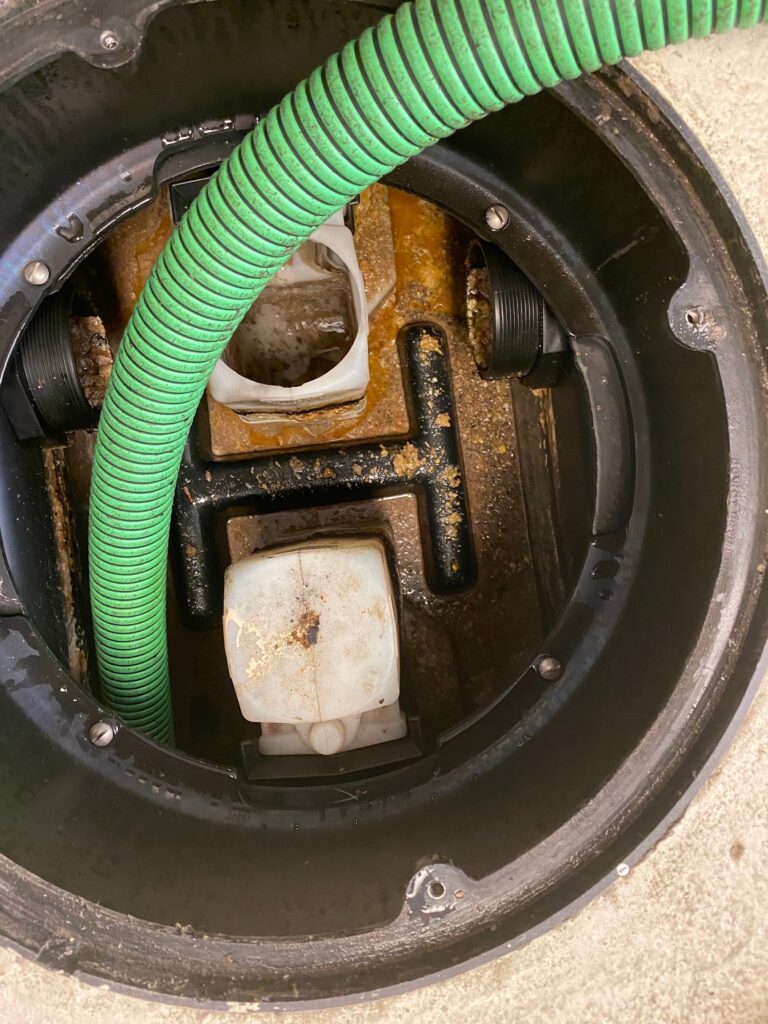
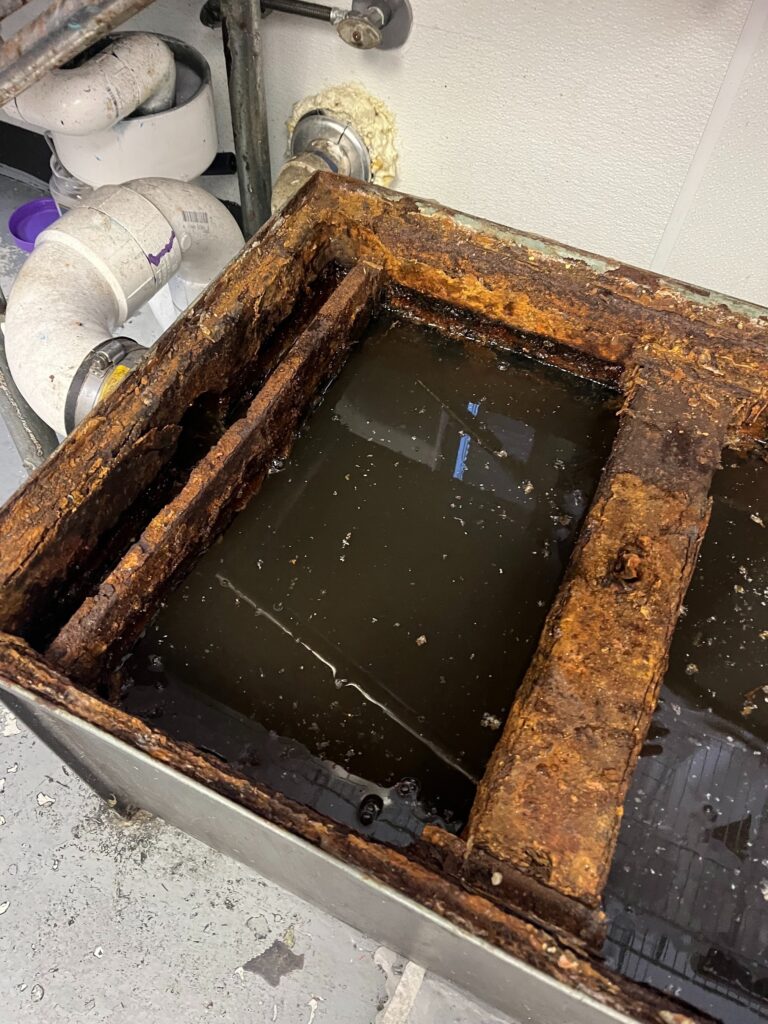
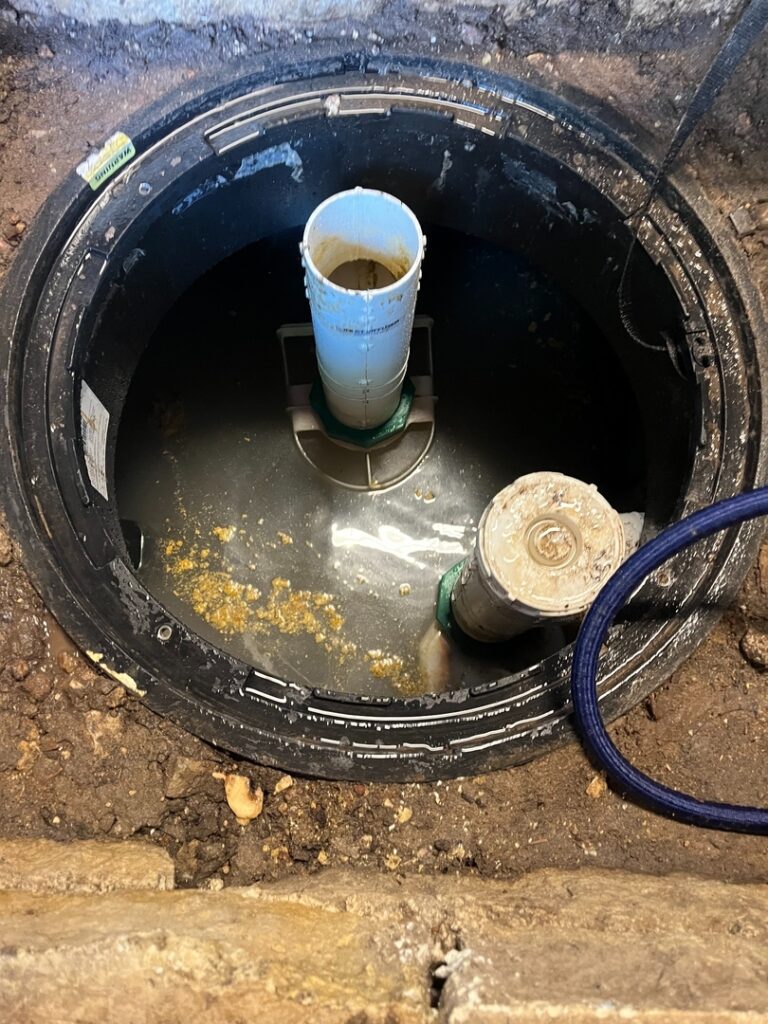
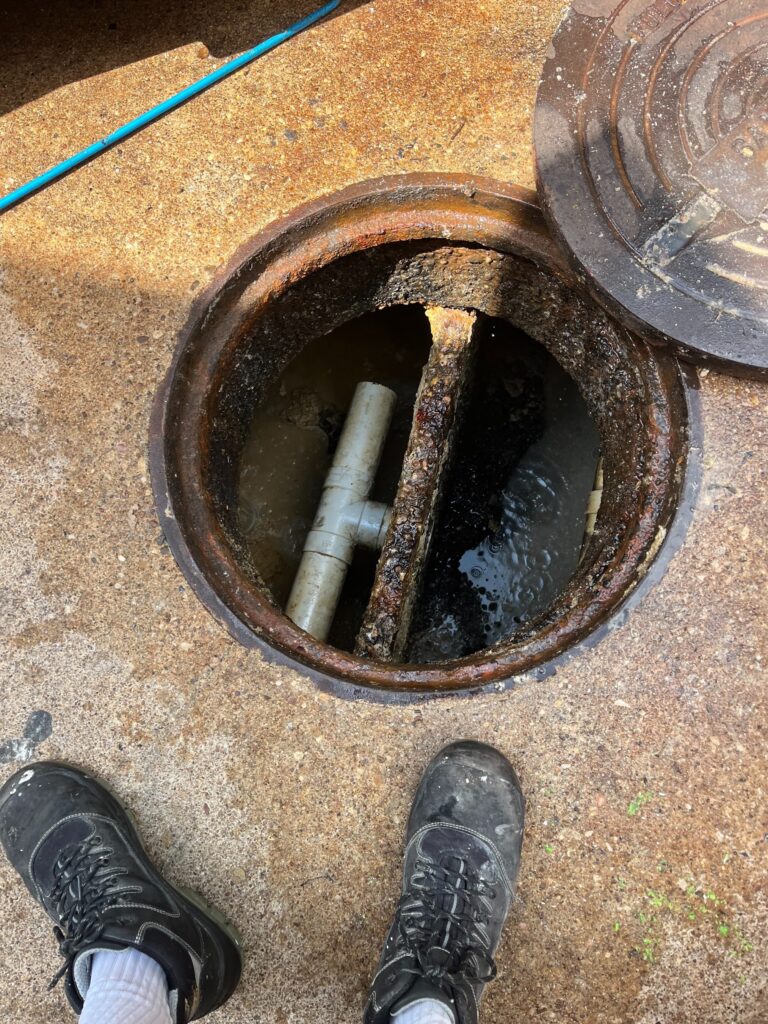
Grease traps separate fats, oils, and grease from wastewater before it flows into the main drainage system. During regular kitchen operations, food particles and oily residue gradually settle inside the unit. As these materials accumulate, they take up space and may interfere with the trap’s ability to separate grease effectively. Excessive buildup can also contribute to strong odors and drainage issues. Deep cleaning removes collected waste and helps restore the space needed for normal operation.
How Does Deep Cleaning Help Kitchen Drainage?
A poorly maintained grease trap may struggle to manage wastewater from sinks, dishwashing stations, and other kitchen equipment. This can lead to slow drainage, recurring blockages, and disruptions during busy service periods. Deep cleaning removes grease deposits and trapped food debris that may interfere with wastewater flow. It also provides an opportunity to examine the unit for visible damage or maintenance concerns. Keeping the trap clean can help restaurant owners identify developing problems before they become more difficult to address.
Which Warning Signs Should Restaurant Owners Notice?
Changes in drainage and unusual smells can indicate that a grease trap needs attention. Persistent odors near kitchen sinks, slow-moving water, and repeated drain blockages are common warning signs. Grease collecting around the trap or nearby plumbing may also require inspection. These symptoms can have different causes, so cleaning alone may not resolve every problem. A professional assessment can help determine whether accumulated waste, damaged components, or another plumbing issue is affecting the system.
What Determines the Right Cleaning Schedule in Austin?
Grease trap cleaning frequency depends on kitchen activity, trap capacity, food preparation methods, and the amount of wastewater produced. Restaurants serving large numbers of customers may accumulate grease faster than smaller food businesses. Owners should consider manufacturer recommendations, applicable local requirements, and advice from qualified maintenance professionals when setting a schedule. Recording cleaning dates and checking the amount of collected waste can help businesses recognize buildup patterns and plan maintenance before drainage problems interfere with daily operations.
How Can Austin Restaurants Reduce Grease Buildup?
Simple kitchen habits can help limit the waste entering a grease trap. Employees should scrape food scraps into appropriate waste containers, collect used cooking oil separately, and avoid pouring fats or grease into sinks. Strainers can catch larger food particles before they enter the drainage system. These practices help reduce buildup but do not eliminate the need for scheduled cleaning. Grease Trap Repair Austin can help businesses understand grease trap maintenance requirements and recognize potential system concerns. Consistent cleaning and responsible kitchen practices support reliable drainage and a cleaner working environment.