What Are the Signs of Grease Trap Damage in Austin?
Grease traps play an important role in commercial kitchens by separating fats, oils, and grease from wastewater before it enters the main drainage system. Because these systems handle wastewater regularly, buildup and component wear can eventually affect their performance. Businesses may notice changes such as unusual odors, slow drainage, leaks, or recurring drainage problems when a grease trap is not functioning properly. Understanding these warning signs can help kitchen operators recognize potential issues earlier. Grease Trap Repair Services in Austin, TX may be necessary when a trap develops damage that affects its ability to manage wastewater effectively.
How Can Unusual Odors Indicate a Problem?
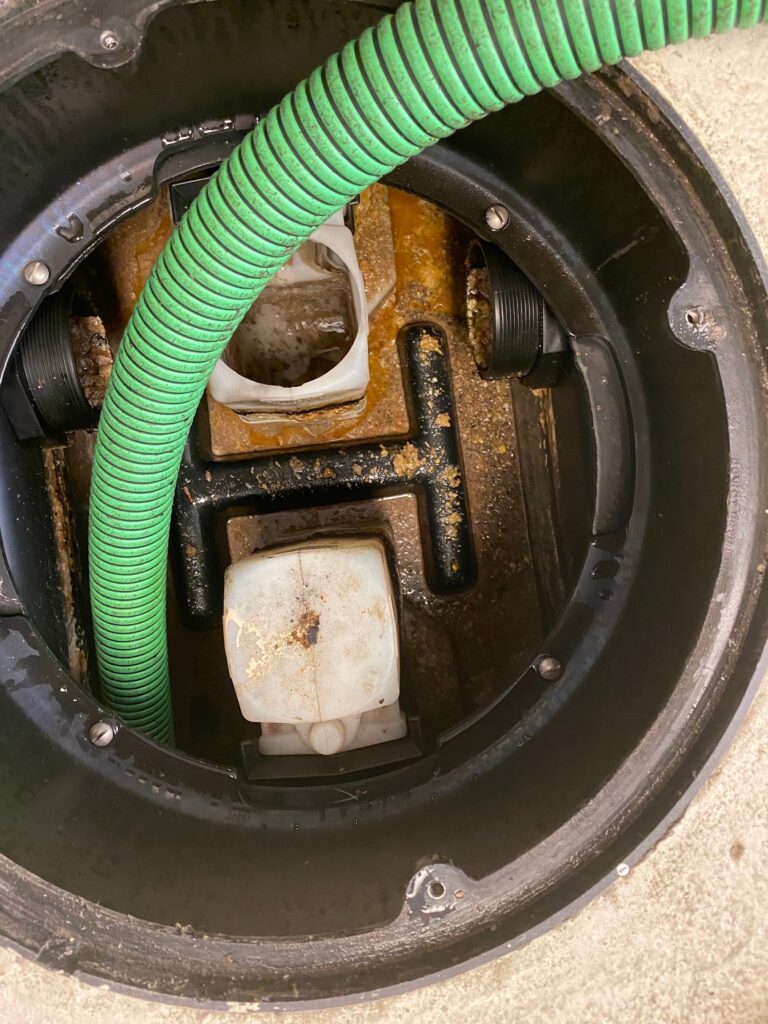
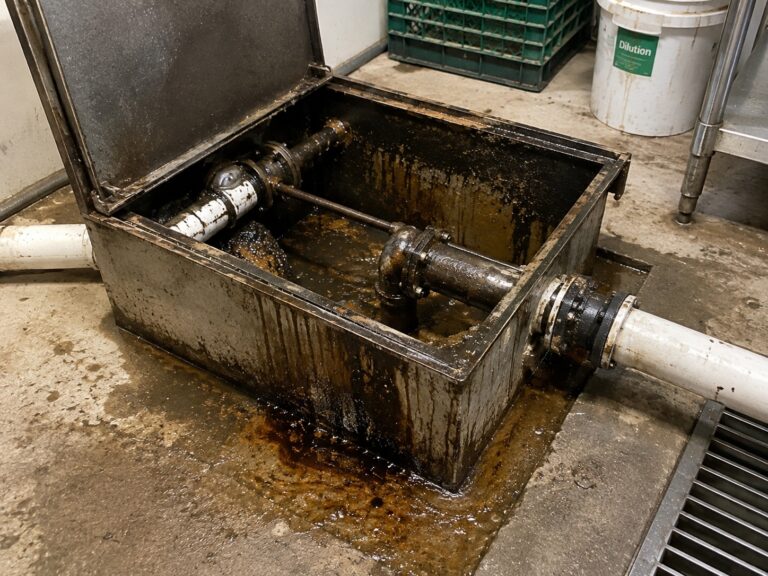
Persistent odors around a grease trap can be one of the earlier signs that something needs attention. Grease, food residue, and wastewater can accumulate inside the trap when it is not cleaned or maintained properly. As organic material remains in the system, it can produce stronger smells that may spread into nearby kitchen areas. Although some odor can occur around commercial drainage equipment, a noticeable or recurring smell should not simply be ignored. Inspecting the trap can help determine whether excessive buildup, poor drainage, or another issue is contributing to the odor.
Why Does Slow Drainage Matter?
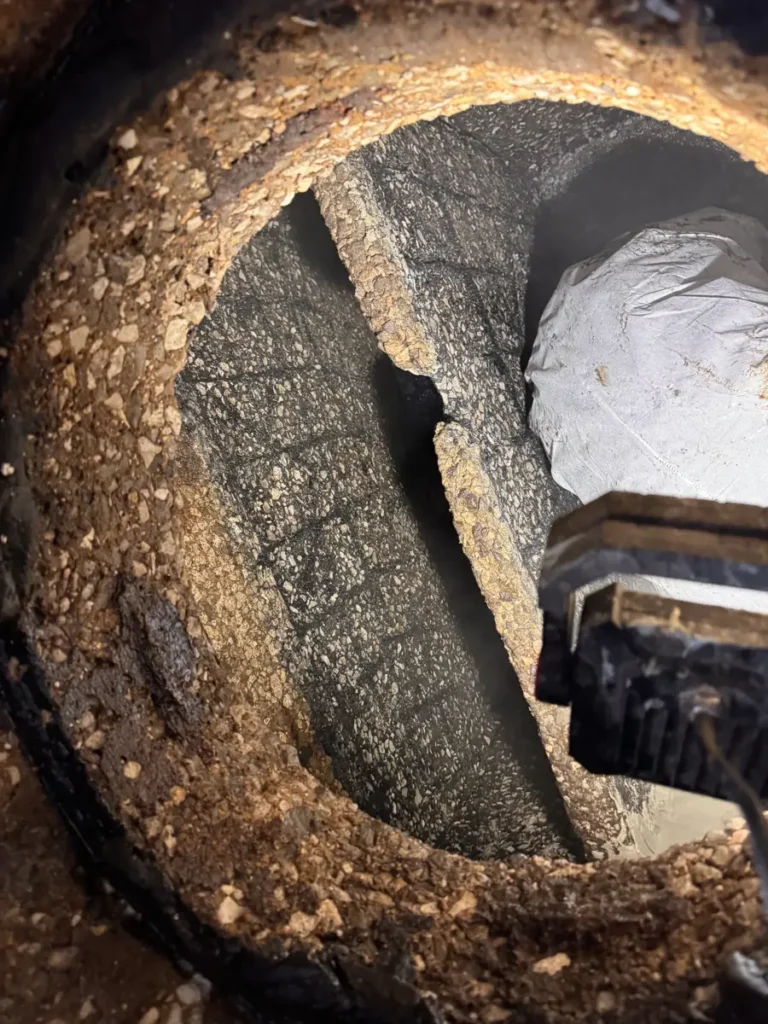
Slow-moving water is another common indication that a grease trap may not be working correctly. Grease and other materials can collect inside the trap and gradually restrict the movement of wastewater. As the buildup increases, sinks and connected drains may take longer to empty, creating interruptions during normal kitchen operations. In more serious situations, restricted drainage can contribute to backups. Identifying the source early can help prevent a small restriction from developing into a more disruptive drainage problem.
What Can Cause Grease Trap Leaks?
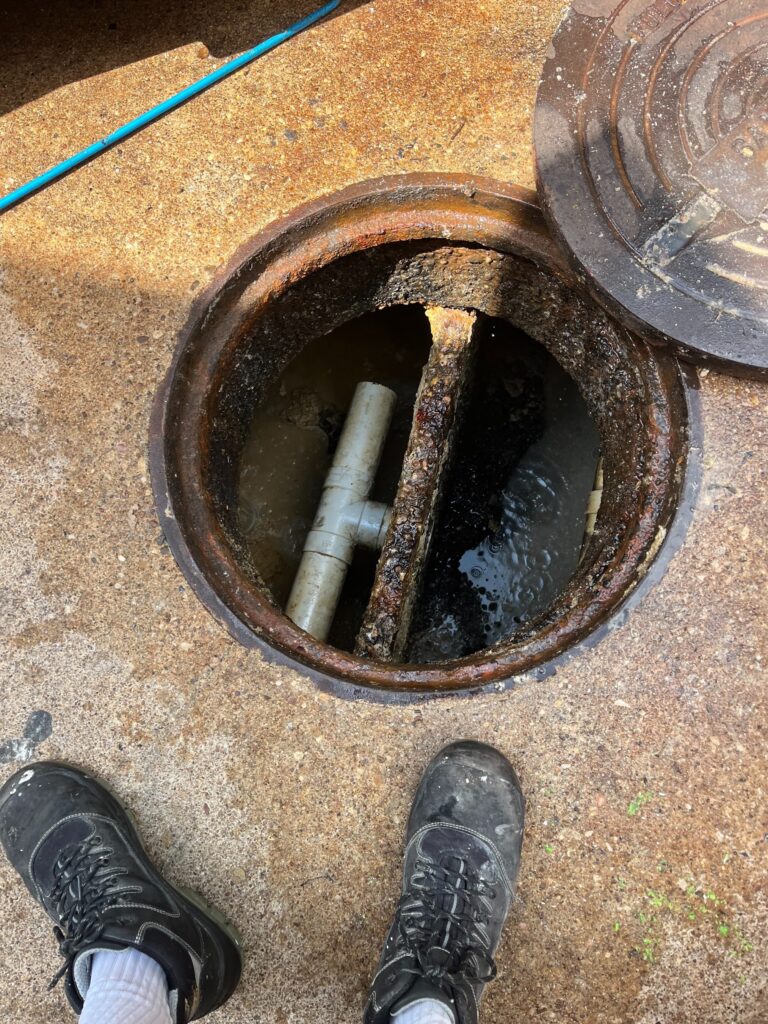
Leaks may occur when seals, connections, pipes, or other components become worn or damaged. A leak can involve water, grease, or wastewater and may become more noticeable around the trap or nearby drainage connections. Commercial kitchens use their drainage systems frequently, so a damaged component can experience continued stress throughout the day. Ignoring visible leakage may allow the problem to become worse and can create unpleasant conditions around the equipment. A proper inspection can help determine where the leak originates and what type of repair may be appropriate.
How Does Buildup Affect Grease Trap Performance?
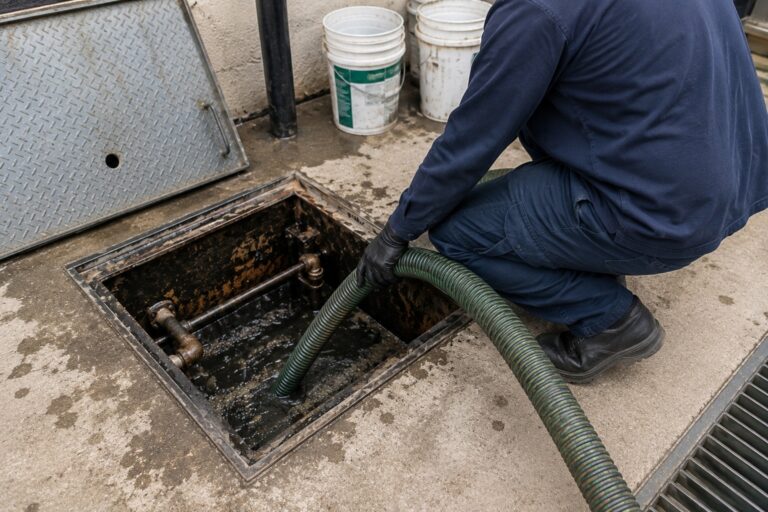
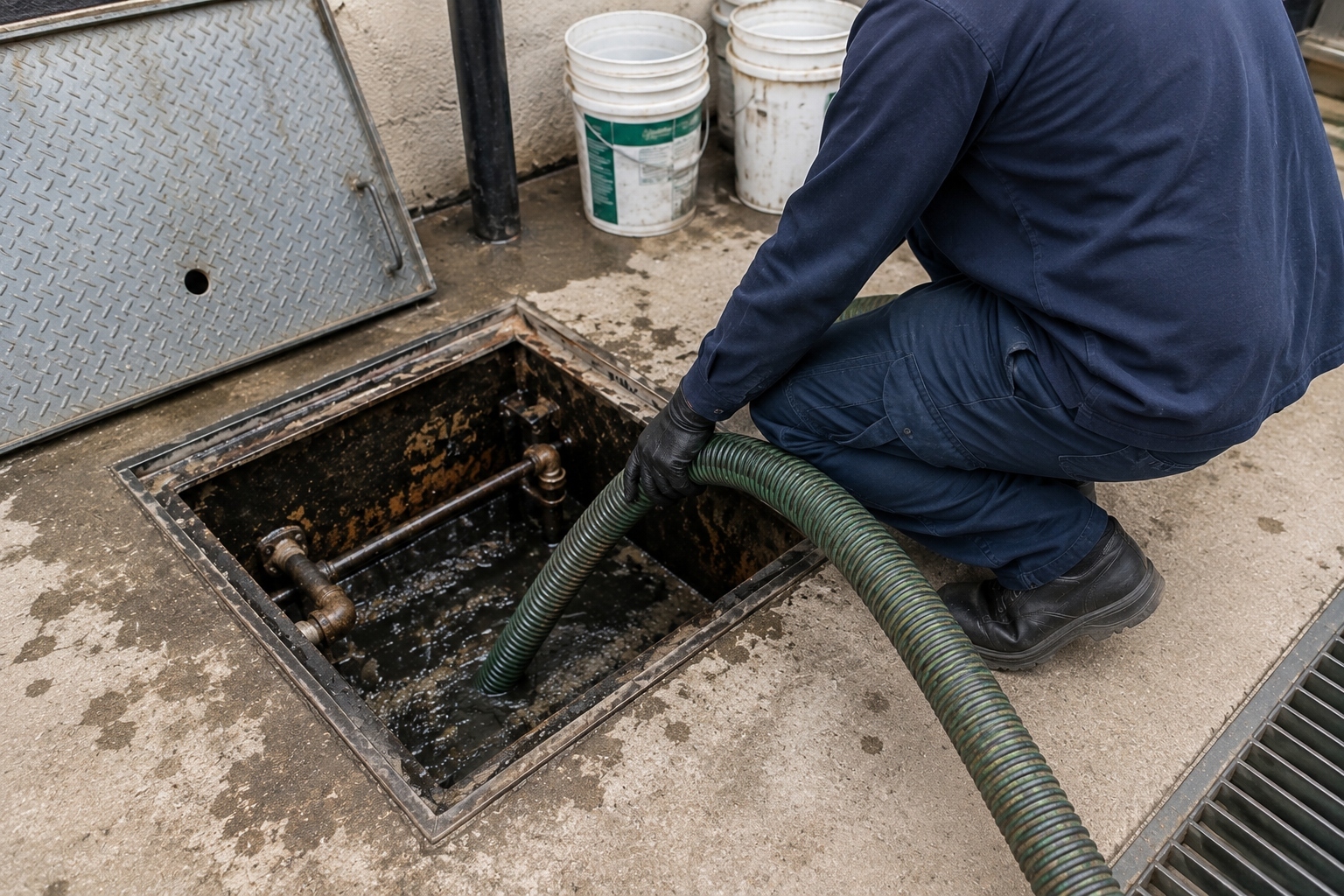
Grease accumulation is one of the main factors that can interfere with normal trap operation. Heavy kitchen activity can introduce significant amounts of fats and oils into the system, while improper disposal practices may increase the amount of material entering the trap. When buildup continues, the trap may have less capacity available to separate grease from wastewater effectively. Regular cleaning and proper kitchen waste practices can help manage accumulation. When buildup has already contributed to poor performance or damaged components, Grease Trap Repair Services in Austin, TX may be required to restore proper operation.
When Should a Business Consider Grease Trap Repair?
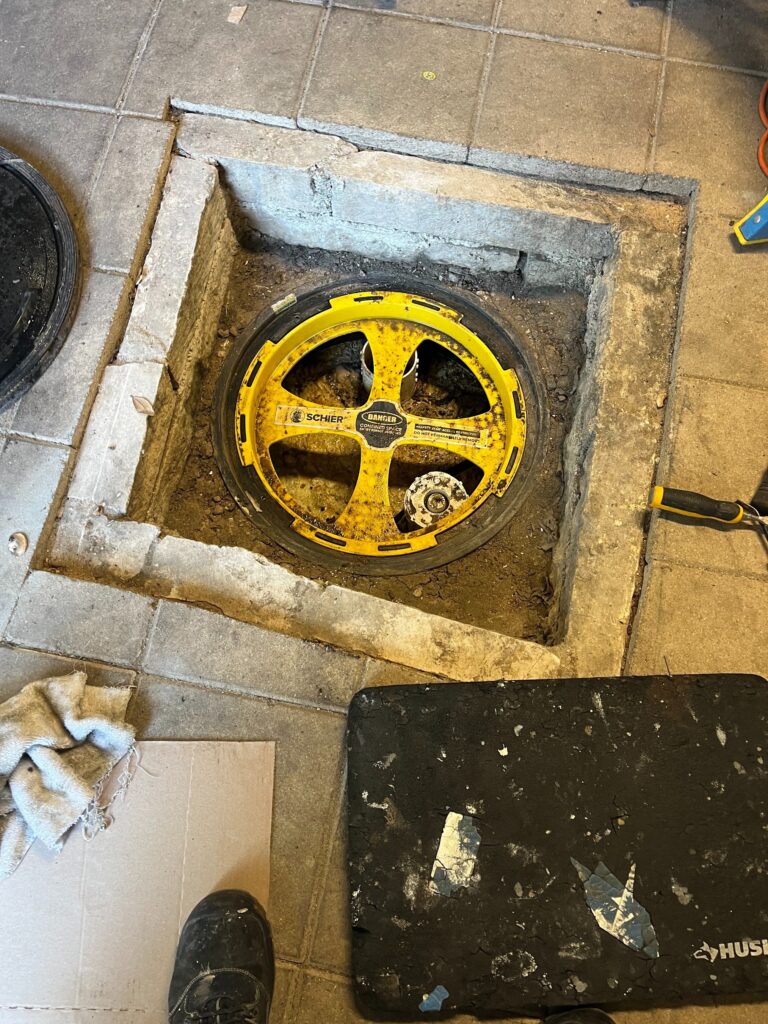
A business should pay attention when drainage problems, unusual odors, leaks, or repeated trap issues continue despite routine cleaning. These symptoms can indicate that the problem involves more than ordinary grease accumulation. Grease Trap Repair Austin can help businesses identify the condition of their grease trap and determine whether damaged components or other issues require attention. Timely repairs can help reduce operational disruptions and support more dependable wastewater management. Along with professional repair when needed, consistent maintenance and responsible disposal habits can help commercial kitchens keep their grease trap systems functioning properly over time.