How Austin Food Businesses Can Manage Grease Trap Maintenance?
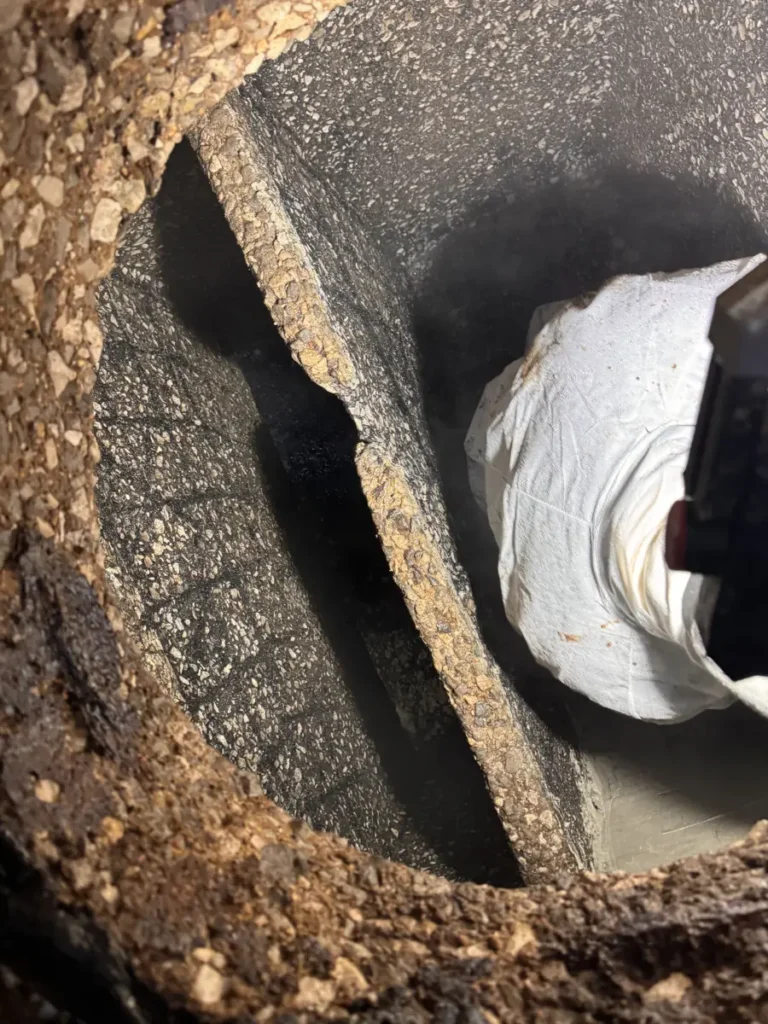
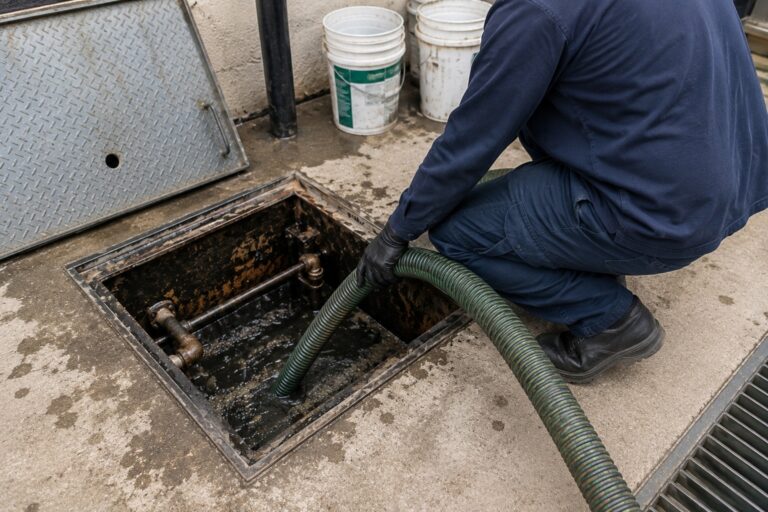
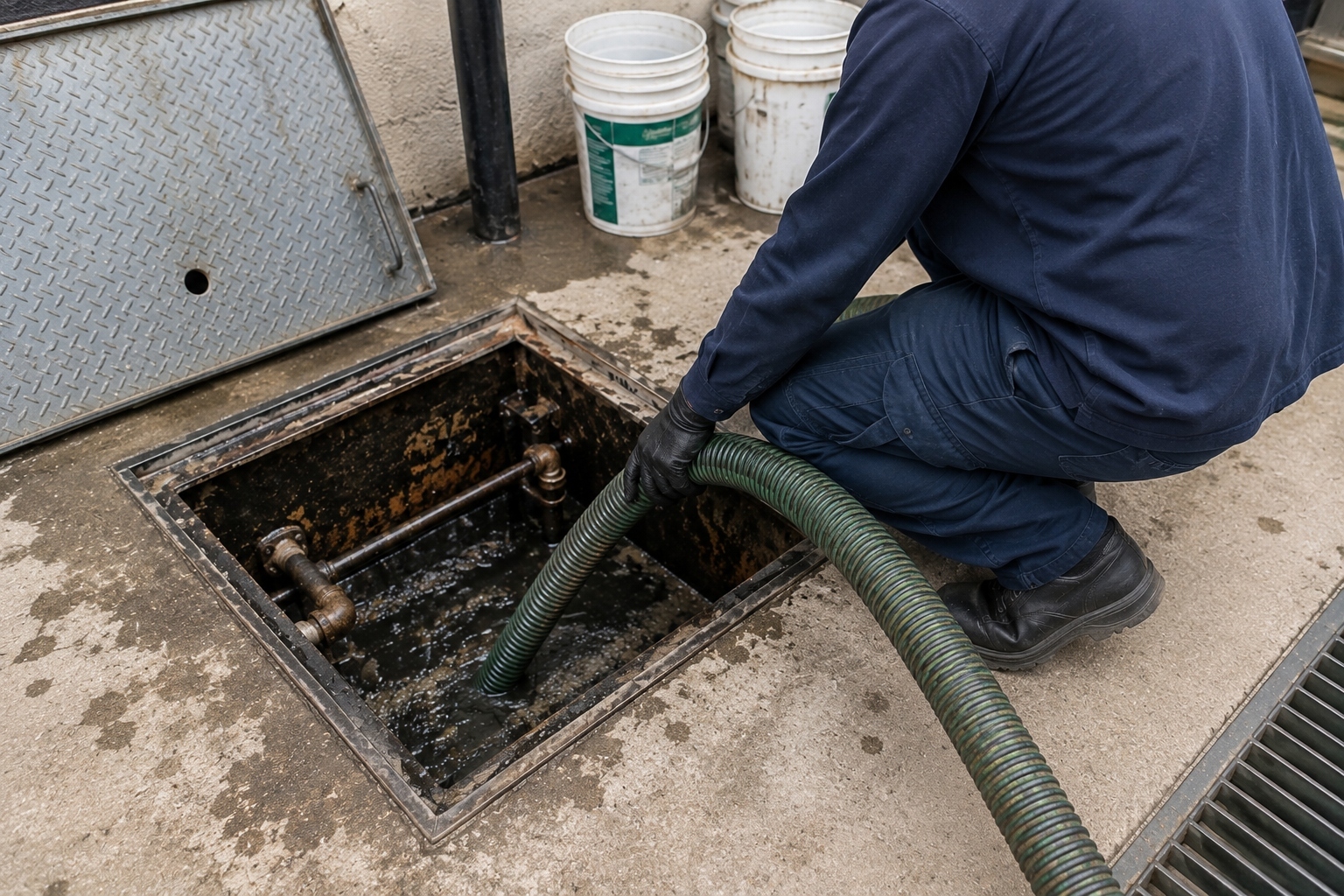
Restaurants, cafés, and other commercial kitchens produce wastewater containing fats, oils, food particles, and cleaning residue. As this material passes through drainage equipment, some of it collects inside grease traps and gradually reduces their available capacity. Without appropriate maintenance, the buildup may contribute to unpleasant smells and recurring plumbing issues. Grease Trap Deep Cleaning in Austin, TX helps remove accumulated waste and supports the proper operation of commercial grease management systems. Understanding the factors that affect trap performance helps food businesses plan effective maintenance.
What Happens During the Grease Separation Process?
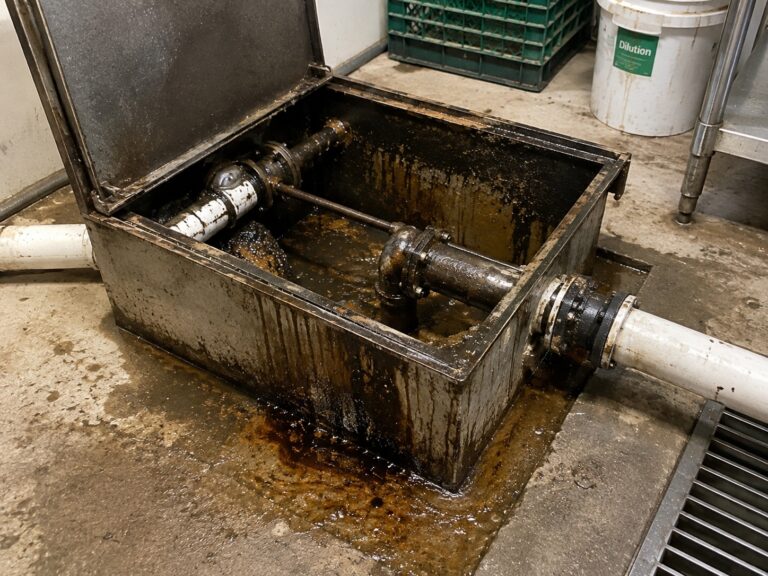
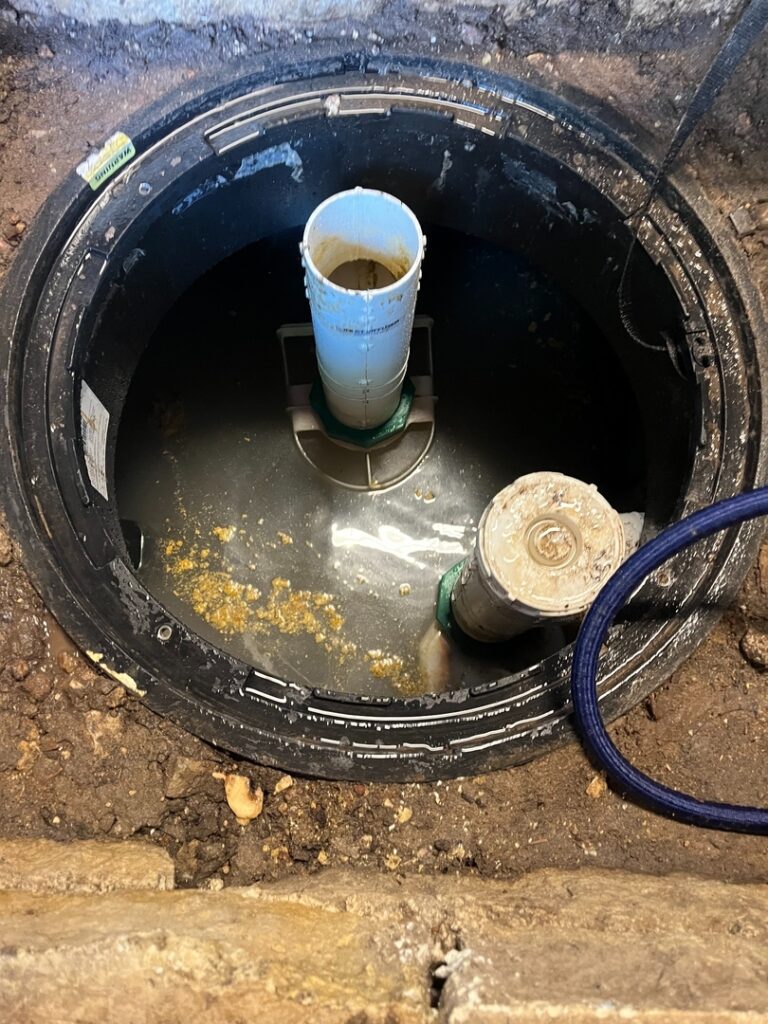
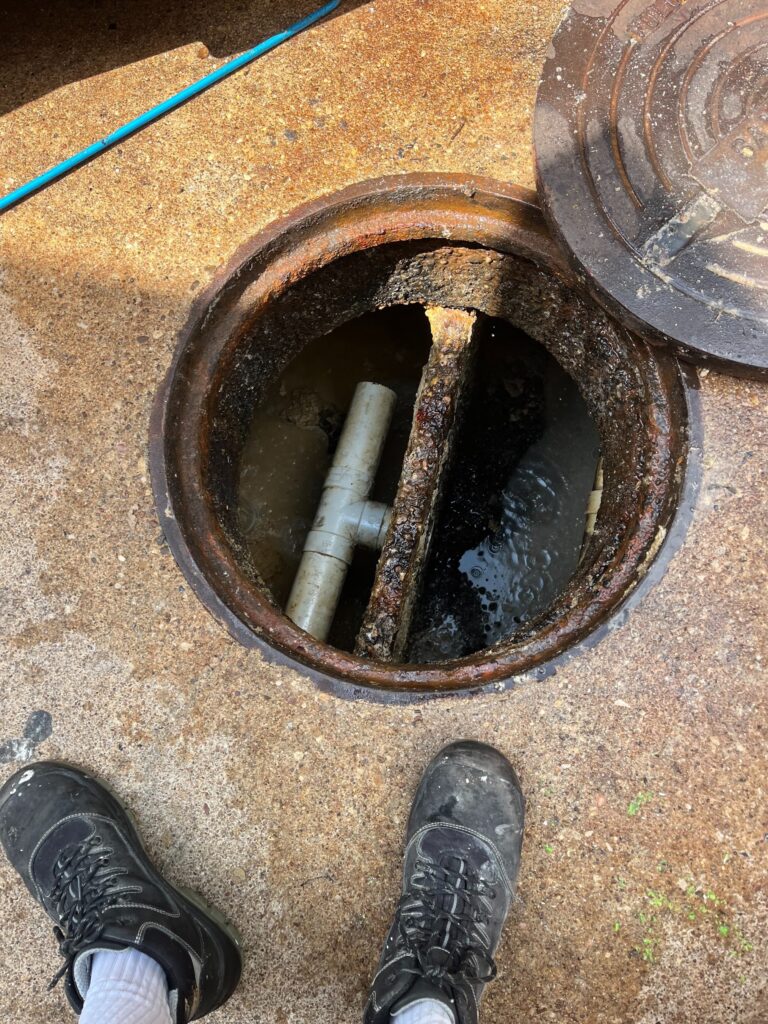
A grease trap is designed to separate fats, oils, and grease from wastewater before the water enters connected drainage pipes. As wastewater flows through the unit, heavier food particles settle while lighter grease rises toward the surface. This separation process helps limit the amount of grease entering the plumbing system. However, the collected material does not disappear on its own. Over time, layers of grease and settled debris accumulate, making periodic removal necessary to maintain adequate capacity and effective separation.
Why Can Accumulated Waste Affect Kitchen Operations?
Excessive grease and food residue can interfere with the normal performance of a trap. Restaurants may experience slow-draining sinks, recurring blockages, or unpleasant odors near dishwashing and food preparation areas. When a trap becomes overloaded, grease may also pass into connected pipes and contribute to downstream drainage concerns. These problems can interrupt routine kitchen activities and require additional maintenance. Deep cleaning removes collected waste, while an inspection can help determine whether damaged components or separate plumbing faults also need attention.
How Can Staff Identify a Grease Trap Problem Early?
Kitchen employees can help identify maintenance concerns by monitoring the equipment and noticing changes in daily drainage. Persistent odors, water backing up into sinks, visible grease around the unit, and repeated blockages deserve attention. Leaks near pipe connections may indicate damaged seals or loose fittings rather than a cleaning issue alone. Staff should report these symptoms instead of relying on temporary solutions. A qualified professional can inspect the system, identify the likely cause, and recommend cleaning or repairs according to the equipment’s condition.
What Factors Influence Cleaning Schedules in Austin?
The appropriate cleaning interval depends on the size of the trap, the amount of wastewater produced, and the volume of food prepared each day. A busy commercial kitchen may accumulate grease more quickly than a small café. The type of cooking, operating hours, and effectiveness of waste-handling practices can also influence buildup. Austin businesses should follow manufacturer recommendations, applicable local requirements, and advice from qualified maintenance professionals. Recording service dates and the amount of waste removed can help owners recognize patterns and plan future cleaning more effectively.
Which Everyday Practices Help Maintain Grease Traps?
Responsible kitchen procedures can reduce the amount of grease and food waste entering the drainage system. Employees should scrape leftover food into designated waste containers, collect used cooking oil separately, and avoid pouring fats directly into sinks. Strainers can capture larger food particles before they enter the pipes. Regular inspections and prompt reporting of unusual odors or drainage changes also help identify concerns early. These habits do not eliminate the need for deep cleaning, but they support a consistent maintenance routine. Grease Trap Repair Austin helps businesses understand grease trap cleaning, repair, and maintenance needs, supporting more dependable drainage and cleaner commercial kitchen environments.