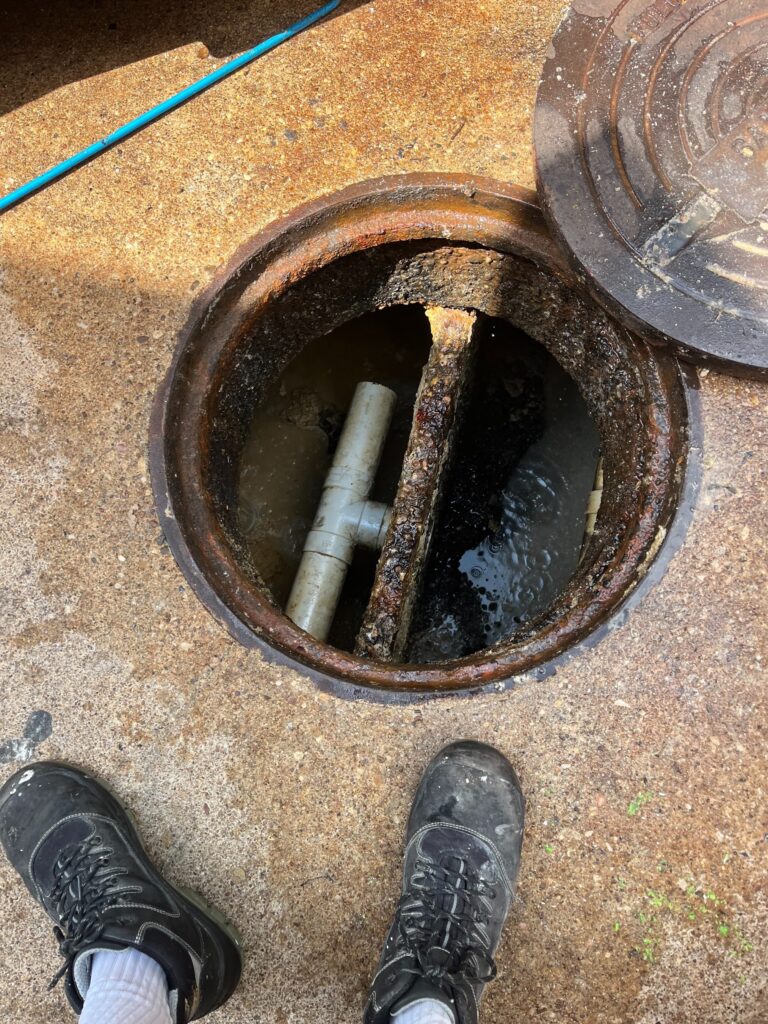
What Affects Grease Trap Repairs in Austin Kitchens?
Commercial kitchens rely on effective drainage systems to manage wastewater from cooking, cleaning, and dishwashing. Over time, grease, food particles, and regular equipment use
Commercial kitchens rely on effective drainage systems to manage wastewater from cooking, cleaning, and dishwashing. Over time, grease, food particles, and regular equipment use
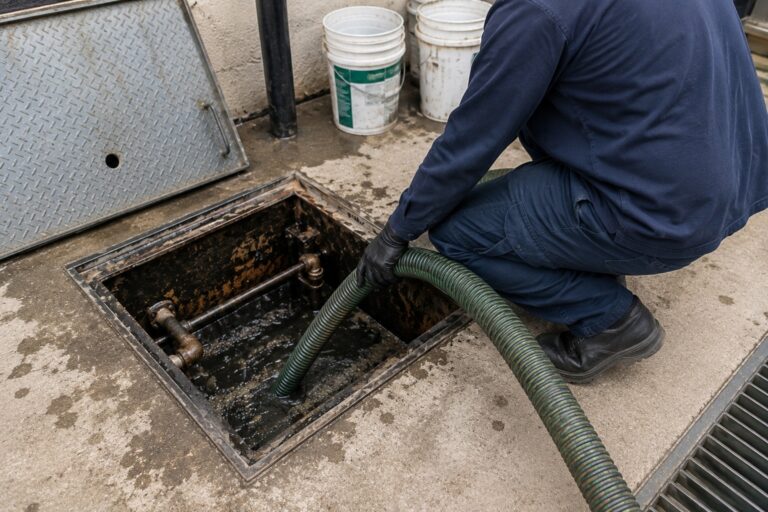
Commercial kitchens handle cooking oil, food scraps, and wastewater throughout the day, allowing grease to collect inside drainage systems over time. Without proper maintenance,
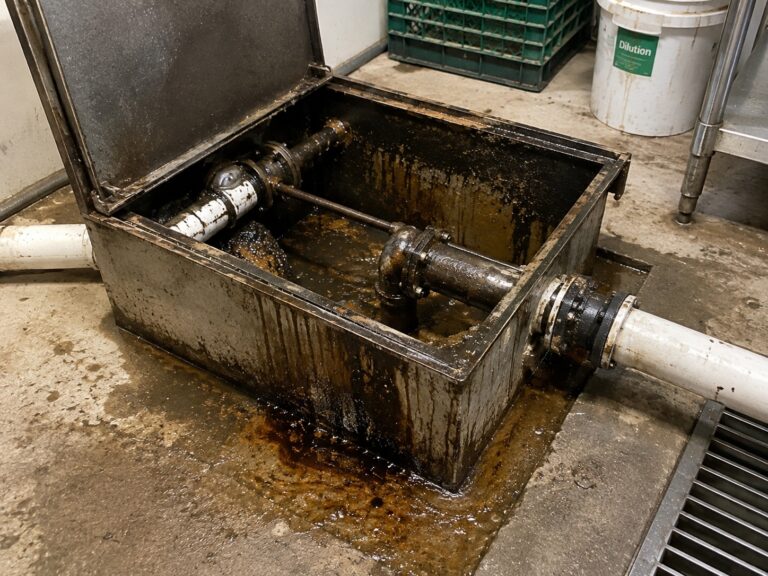
Commercial kitchens rely on grease traps to manage wastewater produced during cooking, cleaning, and food preparation. Over time, fats, oils, grease, and food particles
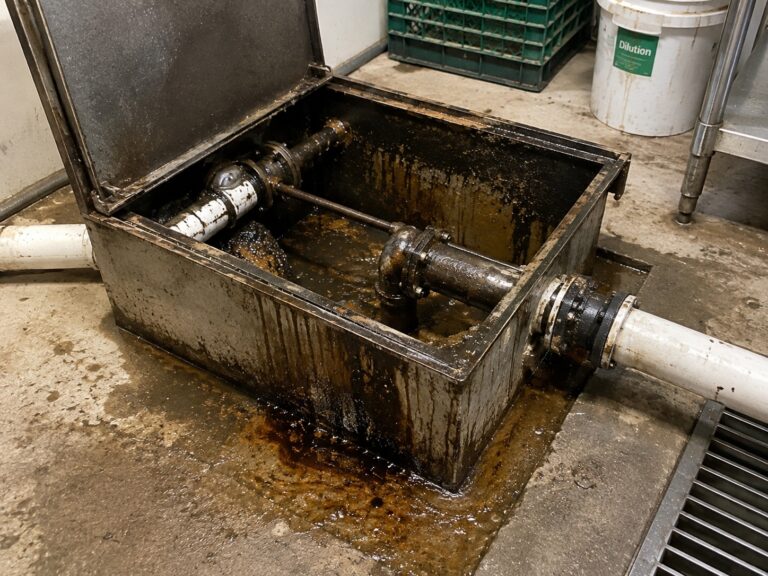
Commercial kitchens produce wastewater containing cooking oil, fats, grease, and food particles. When these materials enter drainage pipes, they can accumulate and contribute to
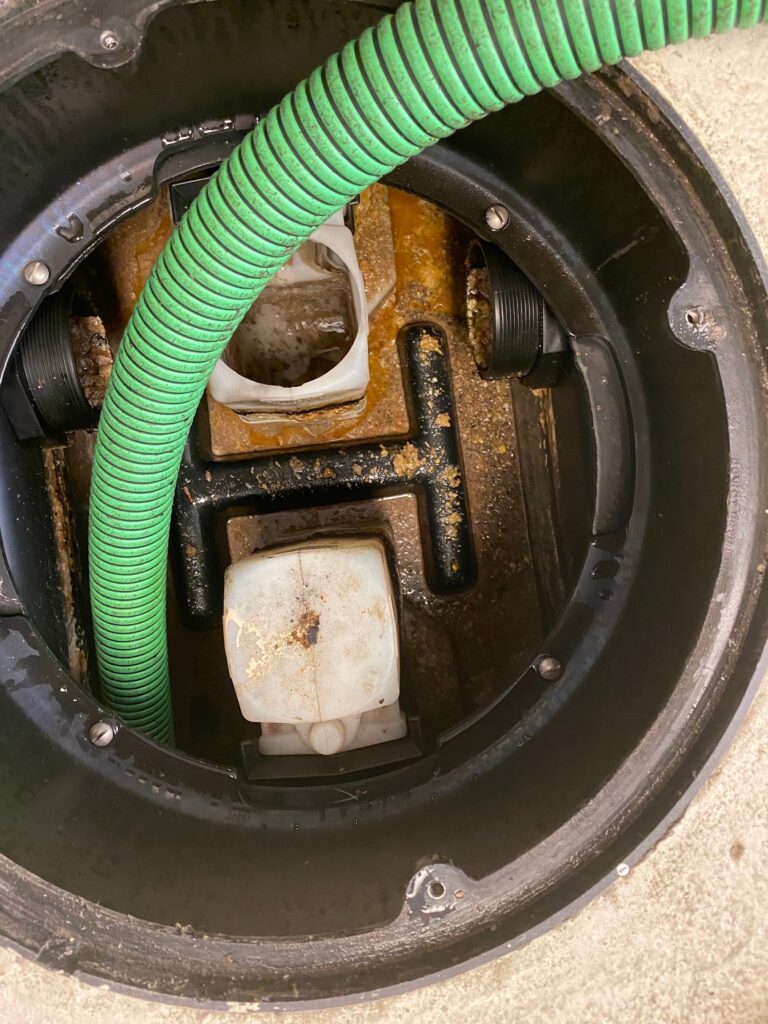
Grease traps are an important component of wastewater systems in restaurants, cafés, catering facilities, and other commercial kitchens. Every day, cooking activities introduce oils,
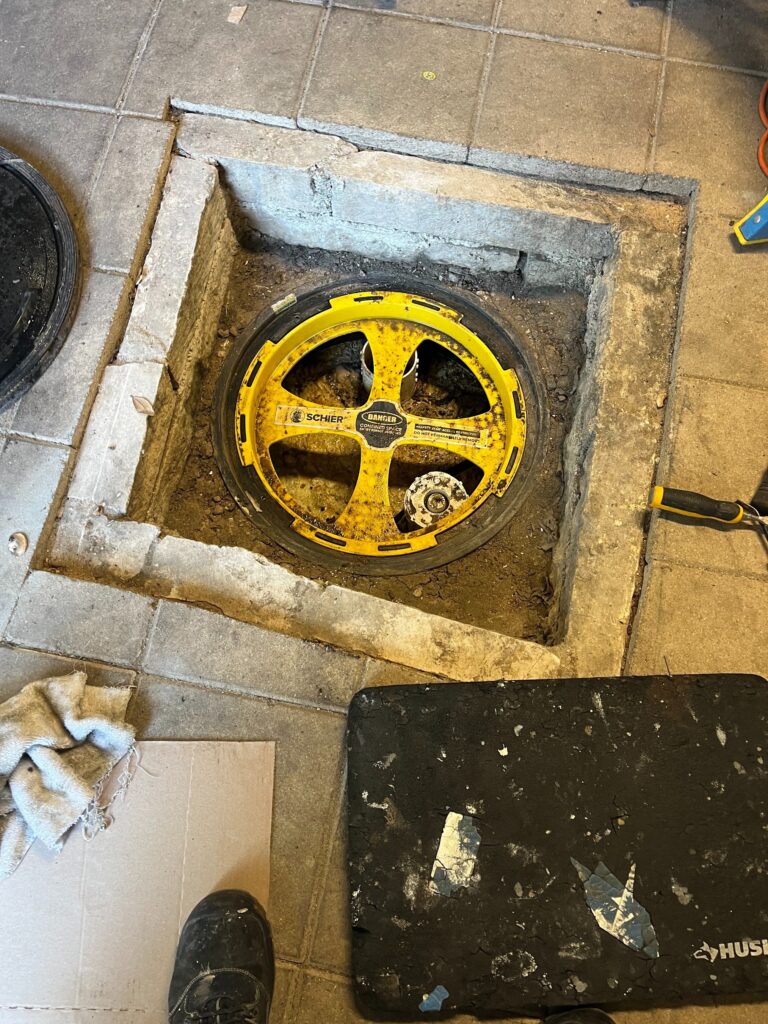
Commercial kitchens produce wastewater throughout the day, and much of it can contain fats, oils, and grease from cooking and food preparation. Without an
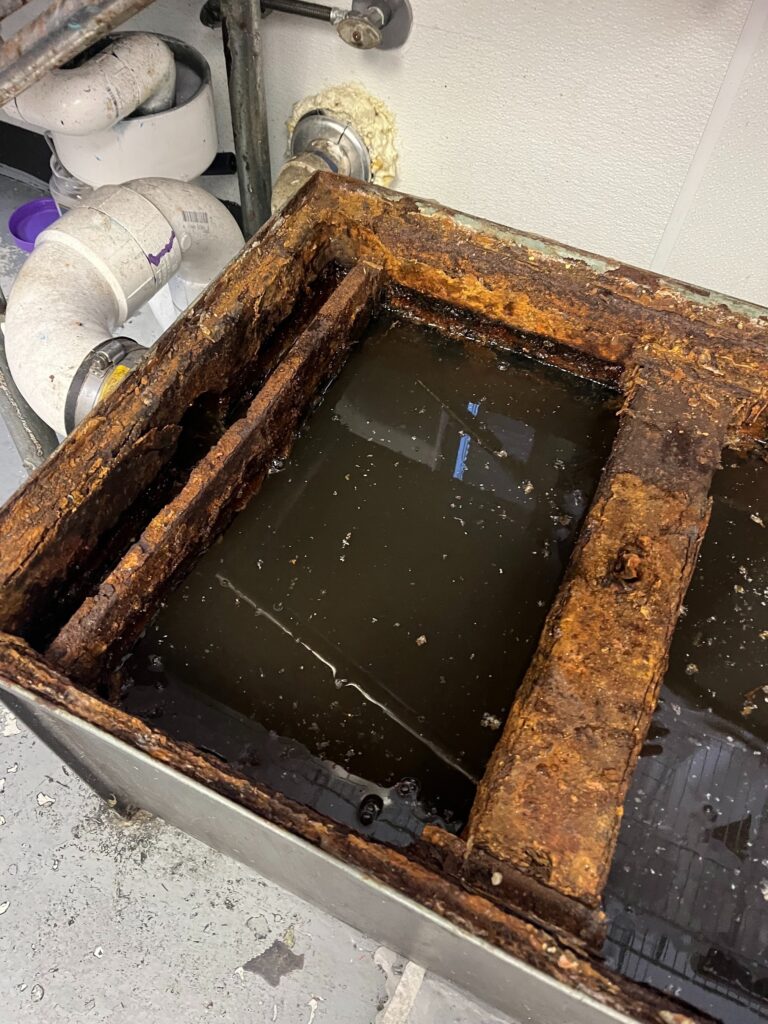
A commercial kitchen can place considerable demand on its wastewater system throughout the day. Cooking oils, food residue, fats, and grease enter drainage fixtures
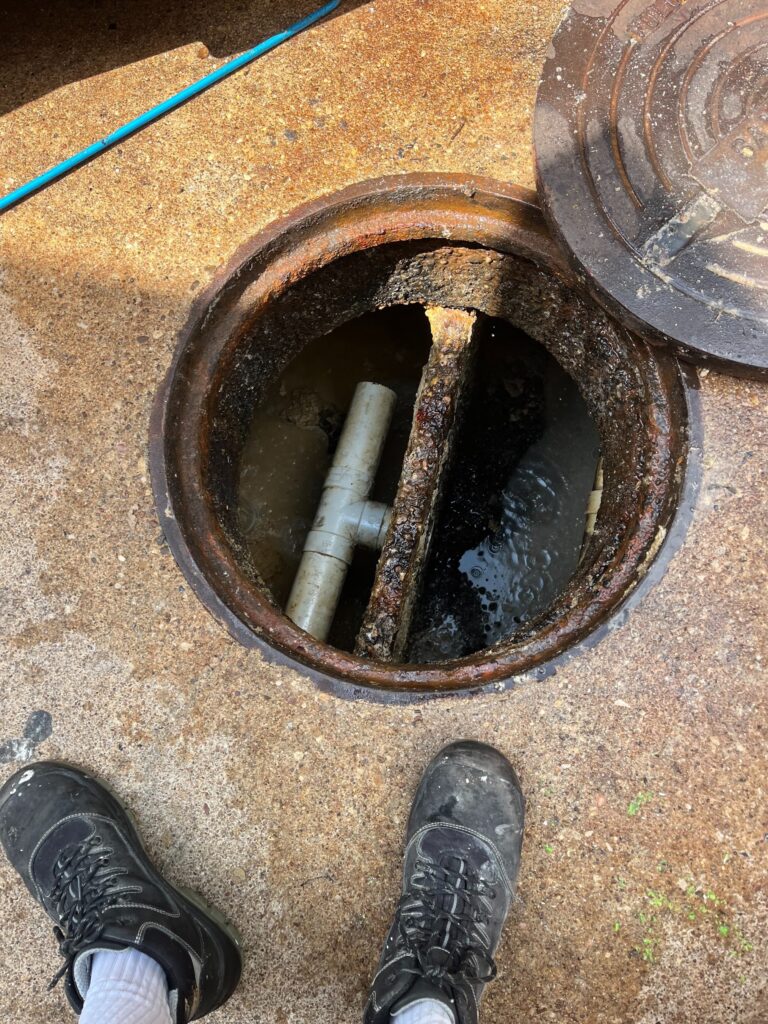
Restaurants and commercial food facilities generate wastewater containing cooking grease, oils, food residue, and other materials that should not freely travel through drainage pipes.
Call any time, day or night. A technician looks at the trap on site, and the inspection is free.